Sourdough Herb & Garlic Twist Loaf

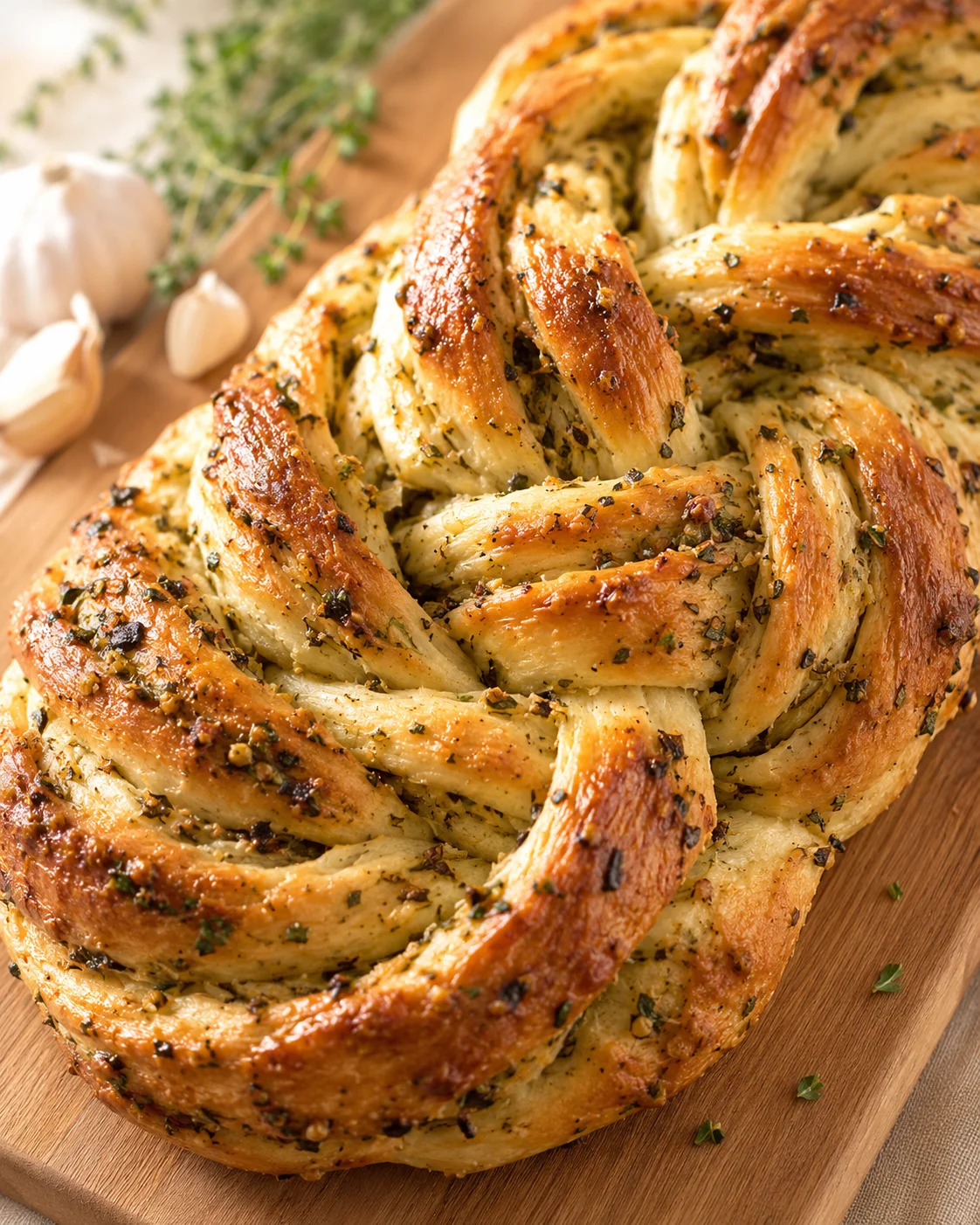
Sourdough Herb & Garlic Twist Loaf
Nothing beats the smell of freshly baked garlic herb sourdough bread wafting through the kitchen. This Sourdough Herb & Garlic Twist Loaf fills the air with cozy, inviting scents that always make me happy. It’s a recipe I’ve cherished for years, kind of like my beloved honey oat sourdough bread, which took some practice but was totally worth the effort!
I can’t forget cozy Sunday mornings at my grandma’s place, where the scent of bread baking was a constant hug. While her breads were simpler, that same feeling of warmth and family is what I pour into every twist of this loaf. It’s comfort you can taste, straight from the oven to the table.
This twist loaf blends the tangy soul of sourdough with a fresh herb and garlic punch. It’s rustic yet elegant, comforting yet exciting—and best of all, it’s pretty easy to pull off, even on busy days. Patience with proofing is key; that’s where the magic happens!
This garlic herb sourdough bread isn’t just tasty; it’s packed with benefits too. The natural fermentation helps your digestion, and fresh herbs bring a dose of vitamins and brightness. It’s the kind of wholesome loaf I’m happy to share with my family around the dinner table.
What I love about this Sourdough Herb & Garlic Twist Loaf is how it captures everything wonderful about baking—from scratch, full of flavor and heart. Whether it’s for a special gathering or a simple family meal, this loaf always adds that perfect touch of warmth. Try it alongside a big slice of rustic Italian bread and you’ve got a real feast to remember. Give it a go—I know you’ll fall for it!
Why You’ll Love This Bread
This twist loaf ticks so many boxes: it fills the air with an irresistible aroma, makes a stunning centerpiece, and offers rich garlic-herb flavor combined with that classic sourdough chew and tang. Whether you’re baking for family, friends, or a cozy night in, here’s why this recipe is a keeper.
- Aroma and flavor that impress: The garlic and herb butter melts into the dough as it bakes, making each slice bursting with savory, mouthwatering flavor. The sourdough tang paired with fresh herbs creates a balance that’s both bold and comforting. If you enjoy an even punchier tang, try Tangy Dill Pickle Sourdough Bread.
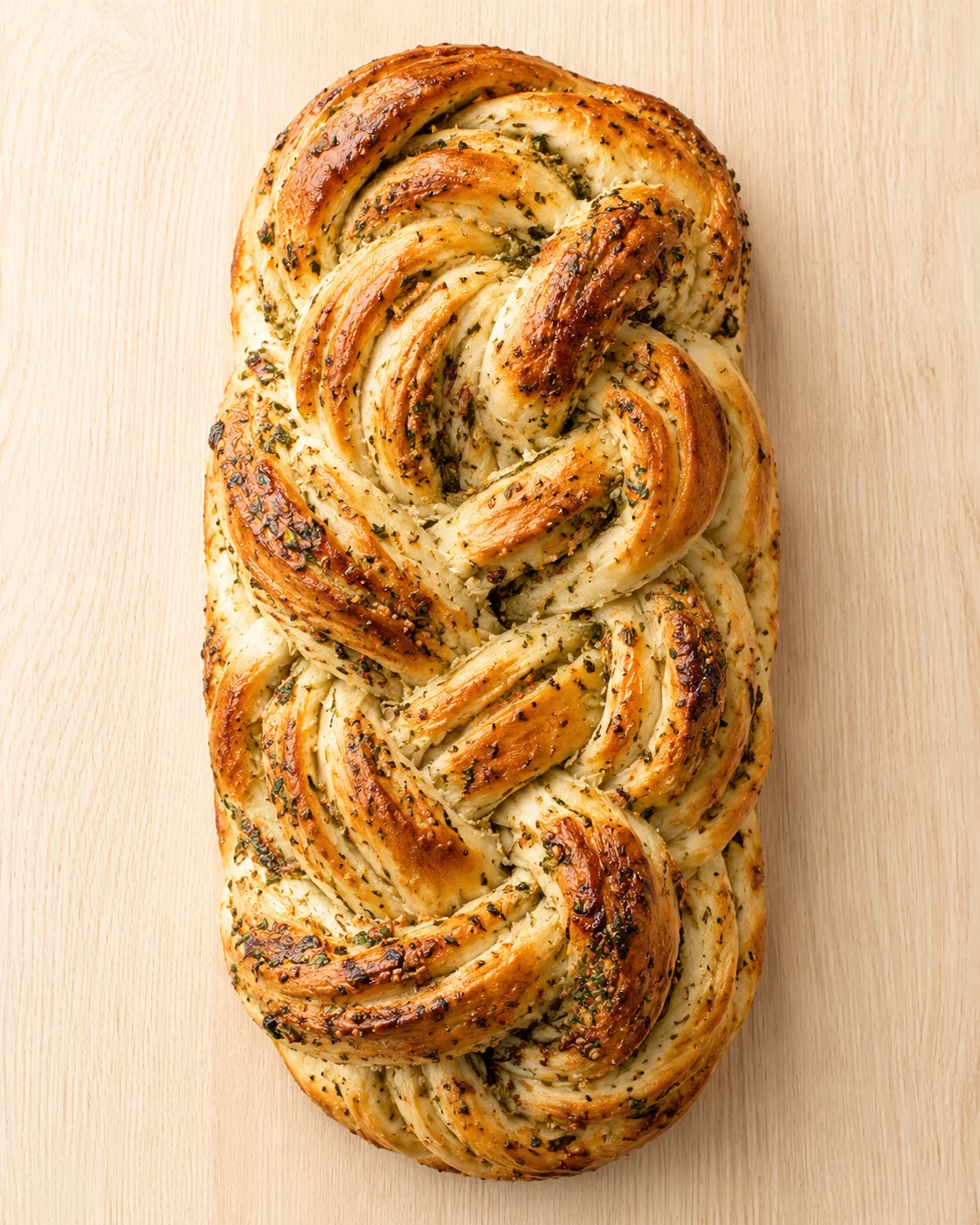
- Beautiful, rustic presentation: The twisted design reveals a lovely marbled pattern of herbs inside, making it look way fancier than the effort you put in.
- Surprisingly forgiving and low‑stress: You can do a room-temperature or fridge fermentation, giving you flexibility to fit baking into your busy life without losing flavor or texture.
- Totally adaptable: Whether you want to add cheese—like in Caramelized Onion Sourdough Bread with Gouda—make it vegan, or swap in Mediterranean ingredients, this dough and method easily bend without changing the heart of the recipe.
- Healthier, homemade goodness: The sourdough fermentation boosts digestion and flavor, while fresh herbs add nutrients and freshness. It’s a wholesome loaf you can feel good about serving.
- Great for sharing and make‑ahead success: Perfect for a meal or gift, leftovers store well. Keep wrapped at room temperature for a few days or freeze slices for longer. Reheat with a quick spritz of water and warm oven or toaster for that fresh-baked feel.
In a nutshell: This twist loaf brings bakery-level looks and taste to your home kitchen using techniques that respect your time and schedule. It’s a friendly recipe that raises any meal and will become a favorite in your rotation.
Ingredients You’ll Need
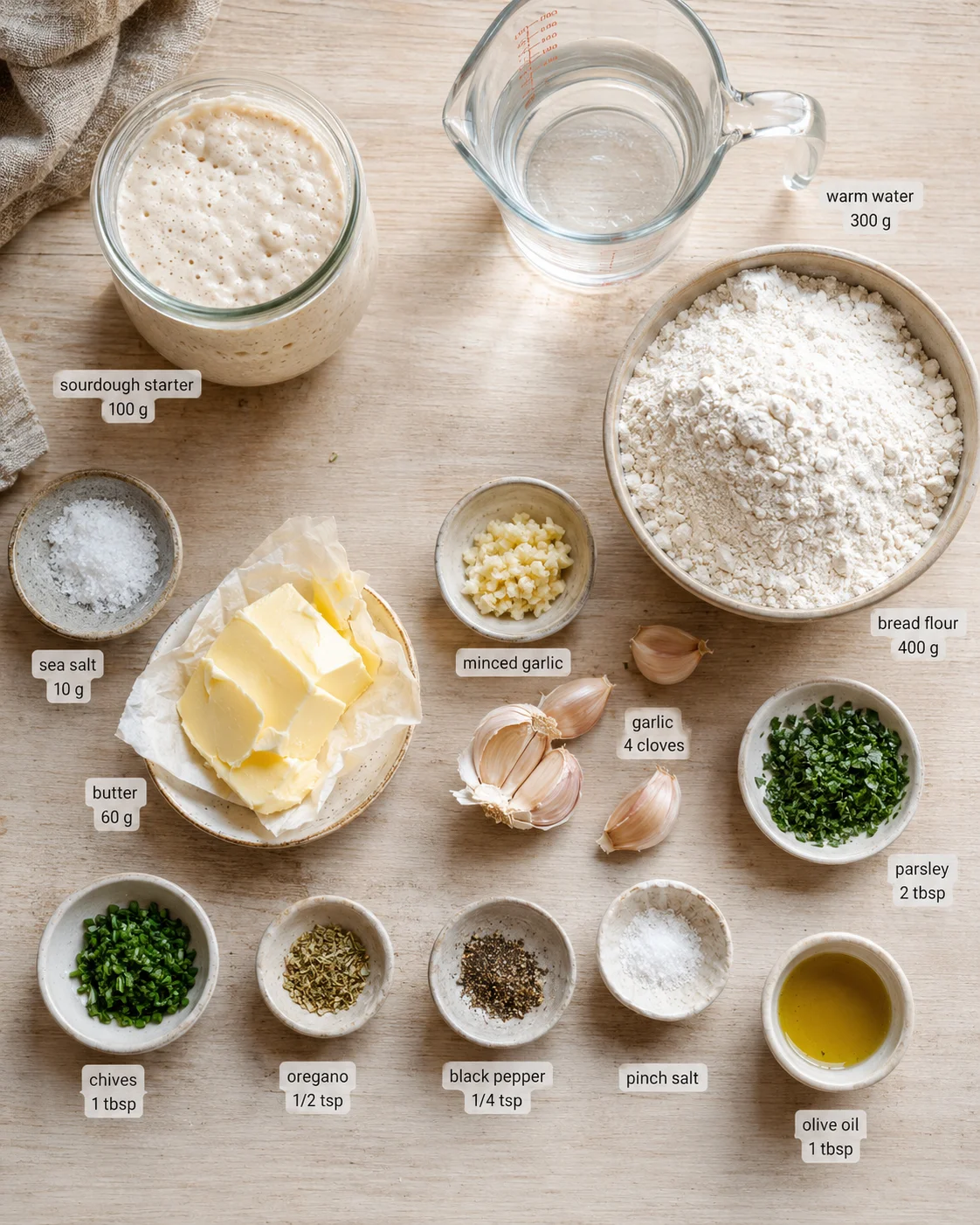
- 100 g Active Sourdough Starter (100% hydration, fed and bubbling)
- 300 g Warm Water (around 90-95°F / 32-35°C)
- 400 g Bread Flour (strong, white bread flour for the best rise)
- 10 g Fine Sea Salt
- 60 g Unsalted Butter (softened to room temperature for easy spreading)
- 4 cloves Garlic (minced fresh for the best punch)
- 2 tbsp Fresh Parsley (finely chopped for lively color and flavor)
- 1 tbsp Fresh Chives (finely chopped to add a mild onion note)
- 1/2 tsp Dried Oregano (or 1.5 tsp fresh, chopped for bright earthiness)
- 1/4 tsp Black Pepper (freshly ground for a gentle heat)
- Pinch Salt (to balance flavors)
- 1 tbsp Olive Oil (optional, for brushing the crust before baking)
How to Make the Twist Loaf
- Combine warm water and active sourdough starter in a large mixing bowl and mix until mostly dissolved.
- Add bread flour and mix with a dough scraper or your hand until a shaggy, rough dough with no dry bits forms.
- Cover the bowl with plastic wrap or a damp towel and rest (autolyse) for 30 minutes.
- Sprinkle salt evenly over the dough, press it in with wet fingers, then perform about 3–4 stretch-and-folds to incorporate the salt.
- Cover and rest 30 minutes, then over the next 2–3 hours repeat 3–4 stretch-and-fold sessions every 30–45 minutes until the dough is smooth, elastic, and airy.
- Bulk ferment the covered dough at room temperature for 2–4 hours until it grows 30–50%, or refrigerate covered overnight 8–12 hours for a cold ferment.
- Gently warm the butter just until soft (do not melt) before making the filling.
- While the dough is finishing its ferment, combine softened butter, minced garlic, parsley, chives, dried oregano, black pepper, and a pinch of salt in a small bowl and stir until blended.
- Lightly flour the work surface and turn the dough out onto it.
- Stretch or gently pat the dough into a rough rectangle, then roll with a rolling pin into a 10×14-inch (25×35 cm) rectangle about 1/4 inch (0.6 cm) thick.
- Spread the garlic-herb butter filling evenly across the dough, leaving a 1/2-inch (1.2 cm) border on one long edge unbuttered.
- Starting from the long edge opposite the bare border, roll the dough tightly into a log and pinch the seam along the unbuttered edge to seal.
- Slice the log lengthwise down the middle with a sharp knife or bench scraper, leaving the ends connected by about 1 inch (or slice fully if desired).
-
With the cut sides facing up, gently twist the two halves around each other to form a spiral, keeping the layered cut sides visible.
- Grease an 8.5 x 4.5-inch (or similar) loaf pan.
- Transfer the twisted dough into the greased loaf pan and tuck in any loose ends so it fits snugly.
- Cover the pan loosely and proof at room temperature for 1–2 hours (2–3 hours if cold-fermented) until puffed and about 25–50% larger.
- About 30 minutes before baking, preheat the oven to 375°F (190°C) and position the rack in the middle.
- Optional: brush the top of the loaf with olive oil for a crisp, glossy crust.
- Bake the loaf 35–45 minutes until deep golden and hollow-sounding when tapped.
- Remove the loaf from the oven and immediately turn it out onto a wire rack to cool completely.
Baker’s Tips and Serving Ideas
Over the years, I’ve discovered a few little secrets that turn this garlic herb sourdough bread into something truly special.
- Don’t Rush the Proof: Sourdough is all about timing. Be patient with the proofing, especially the last rise. I find that a slower, colder proof helps develop deeper flavor and a softer crumb in this loaf.
- Fresh Herbs Shine: Dried herbs can work, but fresh parsley and chives really bring this loaf to life with their bright, fresh flavor.
- Warm Butter First: Before mixing the herb butter, gently warm the butter just until soft (don’t melt it). This helps the garlic and herbs infuse more evenly, boosting the flavor without cooking the garlic.
- Go Easy on the Twist: Twist the dough gently—too tight and you could tear it. A soft, even twist gives a beautiful spiral and a lovely open crumb inside.
This garlic herb sourdough bread pairs beautifully with soups, stews, or salads like a tangy vinegar coleslaw for a satisfying meal. Serve slices warm with a drizzle of olive oil or alongside melted butter and soft cheeses. It makes a fantastic base for garlic toast or grilled sandwiches too—try it with a Swiss mushroom melt. Hosting a gathering? Slice it thickly for a shareable appetizer or alongside charcuterie boards for big flavor and beautiful presentation.
Flavor Swaps and Add‑ins
Want to mix things up? Here are some easy swaps and additions to keep the dough and process the same but change the flavor:
- Cheesy Herb Twist: Stir 75–100 g (¾–1 cup) shredded mozzarella or Parmesan into the herb butter for a deliciously melty, savory version—similar to garlic butter Parmesan fried gnocchi.
- Vegan/Dairy-Free: Substitute the butter with vegan butter or olive oil (about 60 g). Brush olive oil on top before baking for a crispy crust.
- Dried Herb Shortcut: If all you have are dried herbs, use about one-third the amount of what’s called for fresh (see FAQs) and mix into the butter. Taste before spreading to adjust.
- Alternate Herbs: Swap parsley and chives with rosemary, thyme, or dill. If using stronger herbs like rosemary, use a bit less so it doesn’t overpower the loaf.
- Roasted Garlic: Use 2–3 tablespoons of roasted garlic puree instead of raw minced garlic for a sweeter, milder garlic flavor that caramelizes nicely during baking.
- Olives & Sun-Dried Tomatoes: Fold in about ½ cup chopped kalamata olives or sun-dried tomatoes for a tasty Mediterranean twist that pairs beautifully with pesto caprese chicken.
- Whole-Grain Mix: Replace up to 25–30% of bread flour with whole wheat or spelt flour. The dough might feel a little stiffer, so add a bit more water and allow extra fermentation time for best results.
- Seeded or Crunchy Top: Brush the shaped loaf with olive oil and sprinkle sesame, poppy, or mixed seeds just before baking to add texture and flavor.
- Different Shapes: Instead of a loaf pan, braid the dough, form into knot rolls, or shape a round boule on a sheet pan. Bake until golden and crusty as usual.
- Make a cheesy version by mixing mozzarella or Parmesan into your garlic and herb butter before rolling the dough.
- Try a vegan version by swapping butter for vegan butter or extra virgin olive oil.
- Use roasted garlic puree instead of fresh for a sweeter, mellow garlic flavor that toes the line between savory and slightly sweet.
- Switch up the herbs by adding rosemary, thyme, or dill for different flavor profiles. Just keep your quantities in check so no herb overwhelms the others.
- Stir in chopped olives or sun-dried tomatoes for a heartier Mediterranean flair.
- Mix in a portion of whole wheat or spelt flour for a denser, nuttier bread.
Storage, Freezing, and Reheating
After you’ve baked your gorgeous garlic herb sourdough bread, you’ll want to keep it tasting fresh as long as possible. For short-term, wrap leftover loaf tightly in plastic wrap or store in an airtight container at room temperature for 2-3 days. For longer life, slice and freeze pieces in a freezer-safe bag for up to a month.
When you’re ready to eat frozen slices, sprinkle a little water on them and warm gently in the oven or toaster. It brings back that just-baked softness and flavor beautifully. For an easy meal, serve the warm slices alongside easy creamy garlic butter shrimp. A quick tip: keep your bread out of direct sunlight to maintain that lovely crust.
To keep your garlic herb sourdough bread fresh, store leftovers tightly wrapped in plastic or an airtight container at room temperature for 2-3 days. Avoid the fridge, which can dry out the bread. For longer storage, slice and freeze the bread in a sealed freezer bag for up to a month. When ready to eat, pop slices in the oven or toaster after lightly sprinkling with water to refresh the crust and crumb.
This loaf is perfect to prep a day ahead! Do your bulk ferment in the fridge overnight for deeper flavor. Shape and place the dough in the loaf pan in the morning, then let it proof before baking. This way, your baking schedule is much more flexible, and you’ll still end up with a wonderfully fresh, garlicky-herby loaf.
Frequently Asked Questions
Can I use dried herbs instead of fresh ones?
Yes! While fresh herbs add the brightest flavors, dried herbs work too. Use roughly one-third the amount the recipe calls for fresh herbs because dried herbs have a more concentrated flavor. Always adjust to taste so it’s just right for you.
What kind of sourdough starter works best?
For amazing rise and flavor in your garlic herb sourdough bread, use a lively, fed, and mature sourdough starter. A bubbly starter fed within 4-8 hours of baking works best, giving you that classic tang and soft crumb.
How do I know if my dough is properly proofed?
Well-proofed dough should look puffy and soft. You can do the “poke test” by pressing a lightly floured finger gently into the dough—if the indentation springs back slowly, the dough is ready to bake.
Can I add cheese to the filling?
Absolutely! Mixing shredded mozzarella or Parmesan into the herb and garlic butter filling adds a gooey, cheesy twist that’s seriously delicious. Just combine the cheese with the herb butter before spreading on the dough.
Can I make this loaf gluten-free?
Because this recipe relies on the structure of wheat gluten, it’s tricky to convert directly to gluten-free. However, you could experiment with gluten-free sourdough starters and suitable flour blends, though texture and rise will differ from traditional bread.
What’s the best way to keep the crust crisp?
Brush the loaf with olive oil before baking and bake on the middle rack. Avoid covering the bread after baking while cooling. If your crumb seems dense, try a longer proof or hotter oven for a crispier crust. That crackly crust is also perfect for dipping into creamy garlic shrimp.
Can I freeze the whole loaf before baking?
It’s best to freeze after baking and cooling. You can freeze shaped dough, but allow it to thaw and proof fully at room temperature before baking, which takes more planning.
How can I make this bread less tangy?
Shorter fermentation times or using a starter fed more recently can soften the sourdough tang. Refrigerating the dough less time and proofing at warmer temps also reduces the sourdough sourness.
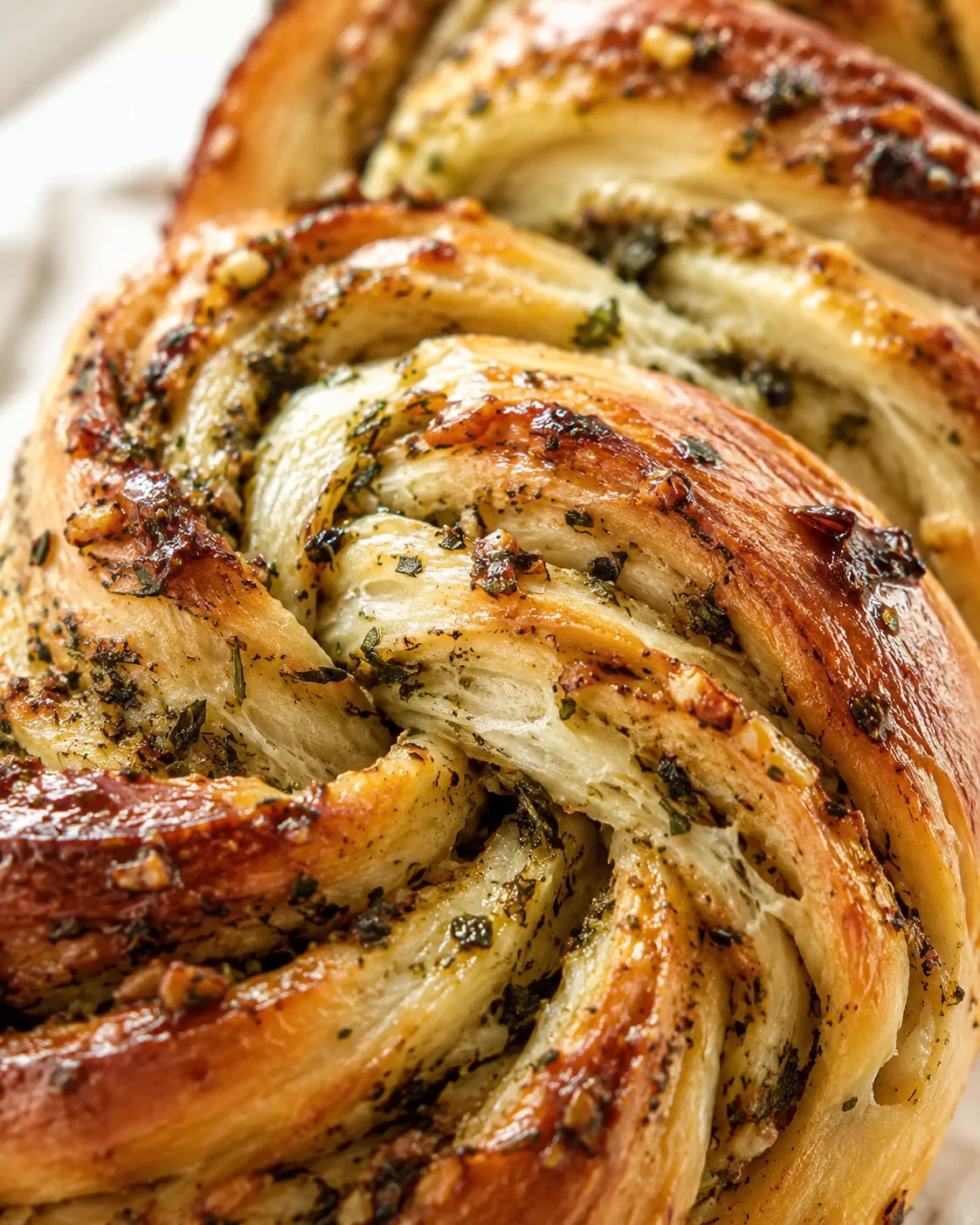
A rustic and elegant sourdough bread with a flavorful garlic and fresh herb butter twist, delivering a tangy, savory, and aromatic loaf perfect for family meals and special gatherings.
- Total Time: Approximately 4 to 8 hours including fermentation and proofing (or overnight cold ferment)
- Yield: 1 loaf (8.5 x 4.5 inch pan) serving about 10-12 slices 1x
Ingredients
- 100 g Active Sourdough Starter (100% hydration, fed and bubbling)
- 300 g Warm Water (around 90-95°F / 32-35°C)
- 400 g Bread Flour (strong, white bread flour for the best rise)
- 10 g Fine Sea Salt
- 60 g Unsalted Butter (softened to room temperature for easy spreading)
- 4 cloves Garlic (minced fresh for the best punch)
- 2 tbsp Fresh Parsley (finely chopped)
- 1 tbsp Fresh Chives (finely chopped)
- 1/2 tsp Dried Oregano (or 1.5 tsp fresh, chopped)
- 1/4 tsp Black Pepper (freshly ground)
- Pinch Salt (to balance flavors)
- 1 tbsp Olive Oil (optional, for brushing the crust before baking)
Instructions
- Combine warm water and active sourdough starter in a large mixing bowl and mix until mostly dissolved.
- Add bread flour and mix with a dough scraper or your hand until a shaggy, rough dough with no dry bits forms.
- Cover the bowl with plastic wrap or a damp towel and rest (autolyse) for 30 minutes.
- Sprinkle salt evenly over the dough, press it in with wet fingers, then perform about 3–4 stretch-and-folds to incorporate the salt.
- Cover and rest 30 minutes, then over the next 2–3 hours repeat 3–4 stretch-and-fold sessions every 30–45 minutes until the dough is smooth, elastic, and airy.
- Bulk ferment the covered dough at room temperature for 2–4 hours until it grows 30–50%, or refrigerate covered overnight 8–12 hours for a cold ferment.
- Gently warm the butter just until soft (do not melt) before making the filling.
- While the dough is finishing its ferment, combine softened butter, minced garlic, parsley, chives, dried oregano, black pepper, and a pinch of salt in a small bowl and stir until blended.
- Lightly flour the work surface and turn the dough out onto it.
- Stretch or gently pat the dough into a rough rectangle, then roll with a rolling pin into a 10×14-inch (25×35 cm) rectangle about 1/4 inch (0.6 cm) thick.
- Spread the garlic-herb butter filling evenly across the dough, leaving a 1/2-inch (1.2 cm) border on one long edge unbuttered.
- Starting from the long edge opposite the bare border, roll the dough tightly into a log and pinch the seam along the unbuttered edge to seal.
- Slice the log lengthwise down the middle with a sharp knife or bench scraper, leaving the ends connected by about 1 inch (or slice fully if desired).
- With the cut sides facing up, gently twist the two halves around each other to form a spiral, keeping the layered cut sides visible.
- Grease an 8.5 x 4.5-inch (or similar) loaf pan.
- Transfer the twisted dough into the greased loaf pan and tuck in any loose ends so it fits snugly.
- Cover the pan loosely and proof at room temperature for 1–2 hours (2–3 hours if cold-fermented) until puffed and about 25–50% larger.
- About 30 minutes before baking, preheat the oven to 375°F (190°C) and position the rack in the middle.
- Optional: brush the top of the loaf with olive oil for a crisp, glossy crust.
- Bake the loaf 35–45 minutes until deep golden and hollow-sounding when tapped.
- Remove the loaf from the oven and immediately turn it out onto a wire rack to cool completely.
Notes
Use fresh herbs for the brightest flavor; dried herbs can be used at about one-third the amount of fresh herbs., Warm butter just until soft before mixing the herb filling to enhance garlic infusion without cooking it., Twist the dough gently to avoid tearing and achieve a beautiful spiral and open crumb., Cold proofing overnight in the refrigerator deepens flavor and softens crumb., This dough is adaptable: add cheese, use vegan butter or olive oil, swap herbs, or mix in olives and sun-dried tomatoes for variation., Wrap leftover bread tightly and store at room temperature for 2–3 days or freeze slices up to one month., Reheat frozen slices with a sprinkle of water in oven or toaster to refresh crust and crumb., Avoid refrigerating baked bread to prevent drying out.
- Prep Time: 30 minutes (active preparation) plus bulk fermentation and proofing times
- Cook Time: 35-45 minutes
- Category: Bread
- Cuisine: European-style sourdough
Nutrition
- Serving Size: 1 slice (approximate)
- Calories: Approx. 180-220 calories per slice (varies with thickness and optional ingredients)
- Fat: Approximately 5-7 g fat per slice (includes butter)
- Carbohydrates: Approximately 30-35 g carbohydrates per slice
- Protein: Approximately 5-7 g protein per slice