Easy Vanilla Layer Cake in 45 Minutes

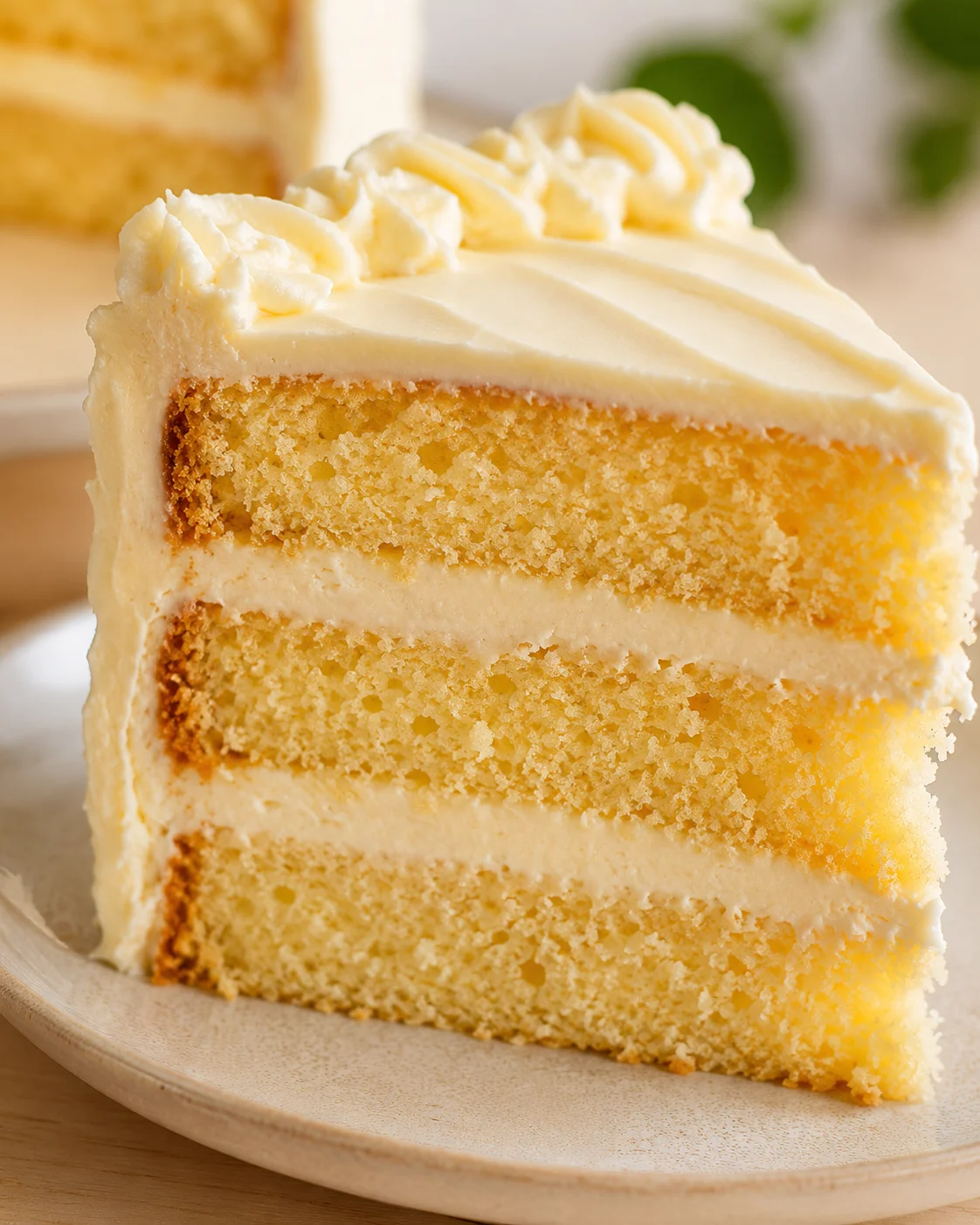
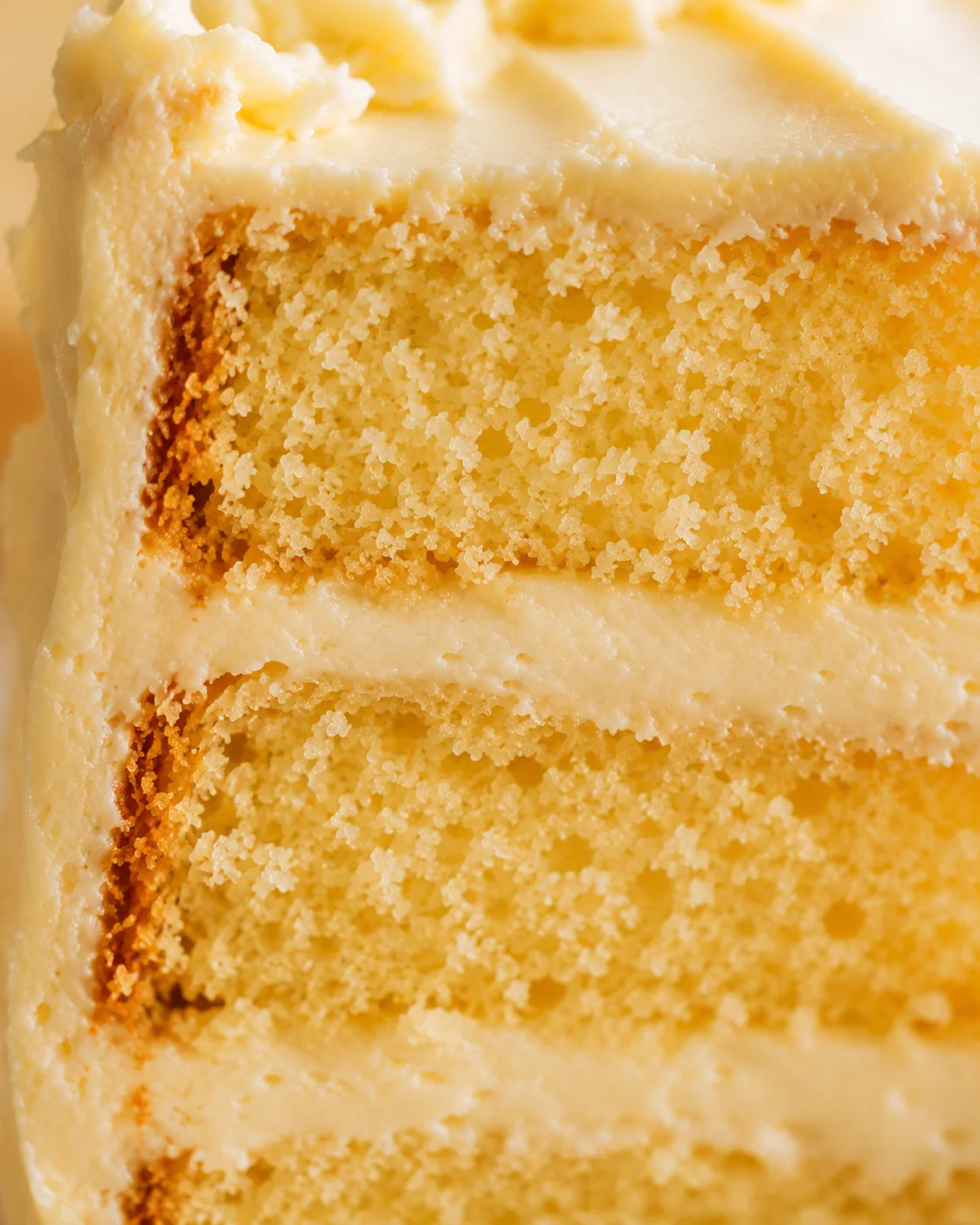
Combining butter and oil in this recipe keeps the cake wonderfully moist for several days without that greasy feeling. This easy vanilla layer cake delivers bakery-quality results right in your kitchen, every single time.
- Time:15 minutes active + 30 minutes baking + 60 minutes cooling/chilling
- Flavor/Texture Hook: Soft, velvety crumb with a rich buttery finish
- Perfect for: Celebrations like birthdays, anniversaries, or any sweet reason to gather
Make-ahead tip: You can bake the cake layers up to 2 days in advance and keep them tightly wrapped in plastic to maintain freshness.
The warm scent of vanilla bean combined with browned butter always whisks me back to my grandmother’s kitchen. But I won’t lie—my early baking attempts were rough. I remember baking a cake for a friend’s birthday that looked stunning on the outside but sliced into a dense, sugary sponge inside. Trust me, it was a letdown.
Often, homemade vanilla cakes either turn out too dry—you know, that crumb you want to dunk in water—or they end up dense like a brick.
The culprit? My stubborn love for only using butter to get that “rich” flavor. What I didn’t know then is butter firms up in the fridge, which is why homemade cakes often get stiff the next day.
After lots of testing, I finally learned how to balance buttery richness with something that keeps the cake soft and springy.
Enter this easy vanilla layer cake recipe. It combines butter and oil, creating a hybrid fat system that solves dryness once and for all. You get the deep flavor from butter and the silky, long-lasting moistness from oil. This is the recipe I turn to whenever I want a consistent, crowd-pleasing cake that tastes like homemade magic.
Vanilla can be tricky because it’s subtle. If your technique slips, your cake ends up tasting like just flour and sugar. The secret here is balancing acidity and fat just right.
Buttermilk is my secret weapon. Its acidity tenderizes the flour, breaking down gluten to give you that soft, delicate crumb.
One common mistake? Rushing to frost while the cake is still warm. Frosting melted by a warm cake is a surefire way to end up with a messy, sliding icing disaster. That’s why I swear by the freezer trick.
Pop your cooled layers in the freezer for a quick 20 minutes to firm them up. It makes frosting so much easier and keeps everything neat.
This recipe isn’t about fancy gadgets or exotic ingredients; it’s about mastering simple steps and using everyday pantry staples to create something that feels a little special.
Whether you’re just starting out or have baked many times before, this vanilla layer cake is designed to be straightforward and fail-proof.
If you’re after a classic vanilla layer cake that stays tender for days and never feels greasy, this recipe is for you. I developed this easy vanilla layer cake after quite a few trials and errors. The goal? Bakery-style taste and texture using simple ingredients and tools—you don’t need a stand mixer, just a basic hand mixer works great.
Keep reading to get the full, easy-to-follow recipe plus the little tips that make a big difference: a butter-and-oil blend for lasting moisture, buttermilk to soften the crumb, and the handy freezer trick that makes frosting a breeze. I’ll also share timing tricks, make-ahead ideas, troubleshooting tips, and some pretty presentation ideas so your vanilla layer cake looks just as incredible as it tastes.
- Time: about 15 minutes active + 30 minutes baking + roughly 60 minutes cooling/chilling
- Yields: around 16 slices from two 8-inch layers
- Skill level: beginner-friendly with pro pointers for smooth frosting and even layers
- Make-ahead: bake layers up to 2 days ahead; unfrosted layers freeze well for months
Keep going for the full ingredient list, step-by-step instructions, and quick fixes for common problems—all the tricks I’ve learned to turn a so-so cake into a reliably tender, flavorful vanilla layer cake you’ll want to make again and again.
Why It’s So Tender and Moist
I’m no food scientist, but after a lot of experimenting, here’s why these steps make this cake so soft and moist.
Hybrid Fat System
The combination of butter and oil is key. Butter gives you that beloved rich flavor, while oil stays liquid at room temp, locking in moisture so your cake stays fresh for days.
Buttermilk Reaction
The acid in buttermilk works with baking soda to create tiny air bubbles, which puff up the cake and make it light and fluffy.
Cold Crumb Technique
Chilling the layers before frosting helps prevent crumbs from mixing into the icing, keeping your frosting smooth and pretty.
Sifted Sugar
Separating any lumps from powdered sugar makes your frosting velvety and silky.
Room Temp Ingredients
Using eggs and buttermilk at room temperature helps them blend better, trapping more air into the batter and creating a lighter texture.
If you’re wondering how this compares to a box mix, here’s a quick breakdown:
FeatureBox MixEasy Vanilla Layer CakeImpactTextureSpongy and evenVelvety and tenderBetter mouthfeelFlavorArtificial vanillaRich, natural vanillaMore sophisticated flavorMoistureShort-livedLong-lastingStays fresh longerEffortVery lowLow to mediumWorth the little extra effort for big taste
That small step up in effort brings a huge leap in deliciousness.
What Each Ingredient Does
- 2.5 cups all-purpose flour
- 1.5 cups granulated sugar
- 2.5 tsp baking powder
- 0.5 tsp baking soda
- 0.5 tsp salt
- 3 large eggs (room temperature)
- 0.5 cup unsalted butter, softened
- 0.5 cup vegetable oil
- 1 cup buttermilk
- 1 tbsp pure vanilla extract
- 1.5 cups unsalted butter, softened
- 5 cups powdered sugar, sifted
- 3 tbsp heavy cream
- 2 tsp pure vanilla extract
- 1 pinch salt
From Prep to Baked Layers
- Remove eggs and buttermilk from the refrigerator about 1 hour before mixing to reach room temperature.
- Preheat oven to 350°F (175°C).
- Grease two 8-inch cake pans with butter or nonstick spray and line the bottoms with parchment paper circles.
- Whisk together the all-purpose flour, granulated sugar, baking powder, baking soda, and salt, breaking up any lumps.
- Add softened butter, vegetable oil, eggs, buttermilk, and vanilla extract to the dry ingredients.
- Beat the batter with a hand mixer on medium speed for about 2 minutes until smooth and pale, taking care not to overbeat.
- Divide the batter evenly between the prepared pans and smooth the tops with a spatula.
- Bake for 28–32 minutes or until a toothpick inserted in the center comes out clean, avoiding opening the oven door during the first 20 minutes.
- Cool the cakes in their pans for 10 minutes, run a knife around the edges, then transfer the layers to a wire rack to cool completely.
- Freeze the cooled layers for 20 minutes to firm the crumb before frosting.
- Sift the powdered sugar for the buttercream.
- Make the buttercream by beating softened butter, sifted powdered sugar, heavy cream, vanilla extract, and a pinch of salt on high speed until light, fluffy, and smooth.
-
Spread frosting on the first cooled layer, stack the second layer on top, and finish frosting the outside of the cake.
- Optional: apply a thin crumb coat of frosting and refrigerate for 15 minutes before applying the final layer of frosting.
Quick Fixes and Serving Tips
Even with an easy recipe, things can go wrong. Most issues boil down to temperature mistakes or inaccurate measurements.
IssueSolutionWhy Your Cake Sank in the MiddleThis usually happens if you open the oven door too early or use old baking powder. Opening the door causes temperature drops and the air bubbles to collapse before the cake sets.Why Your Cake Got DenseOvermixing. Once wet ingredients are added, beat just until combined and smooth.Why Your Frosting is GrainyIf you skip sifting your powdered sugar or if your butter isn’t soft enough, frosting can turn grainy.
Common Mistakes Checklist
- ✓ Did you use room temperature eggs and buttermilk?
- ✓ Did you line the pans with parchment paper?
- ✓ Did you sift the powdered sugar for the buttercream?
- ✓ Did you wait until the cake was completely cool before frosting?
- ✓ Did you avoid opening the oven door during the first 20 minutes of baking?
Let’s debunk some common baking myths:
Myth: Searing the cake edges prevents sticking. Nope! The best way to prevent sticking is using a combination of grease and parchment paper. Searing doesn’t help.
Myth: More sugar keeps cakes moister. Too much sugar can mess with the cake’s structure and cause it to collapse. Moisture comes mainly from the fats (butter and oil) and the acidity of buttermilk—not sugar.
Myth: You need a stand mixer to make a layer cake. Not at all. This recipe works great with a simple hand mixer—the key is beating the batter just the right amount, not the mixer brand.
A vanilla cake is like a blank canvas, so this is where you get to play with presentation. Since your vanilla layer cake and frosting are white, adding pops of color makes it look stunning and inviting.
1. Deep Red
Top the cake with fresh raspberries or sliced strawberries for a bright contrast that also adds a little tartness.
2. Bright Green
Scatter fresh mint leaves around the berries for a pop of fresh color and an elegant touch.
3. Golden Yellow
Grate some lemon zest over the top for a lovely citrus aroma and pretty accent.
Final Assembly Tip: When cutting your cake, dip your knife in hot water and wipe it clean between every slice. This trick gives you perfectly clean edges and keeps your frosting from dragging down the sides. You’ll feel like a pro!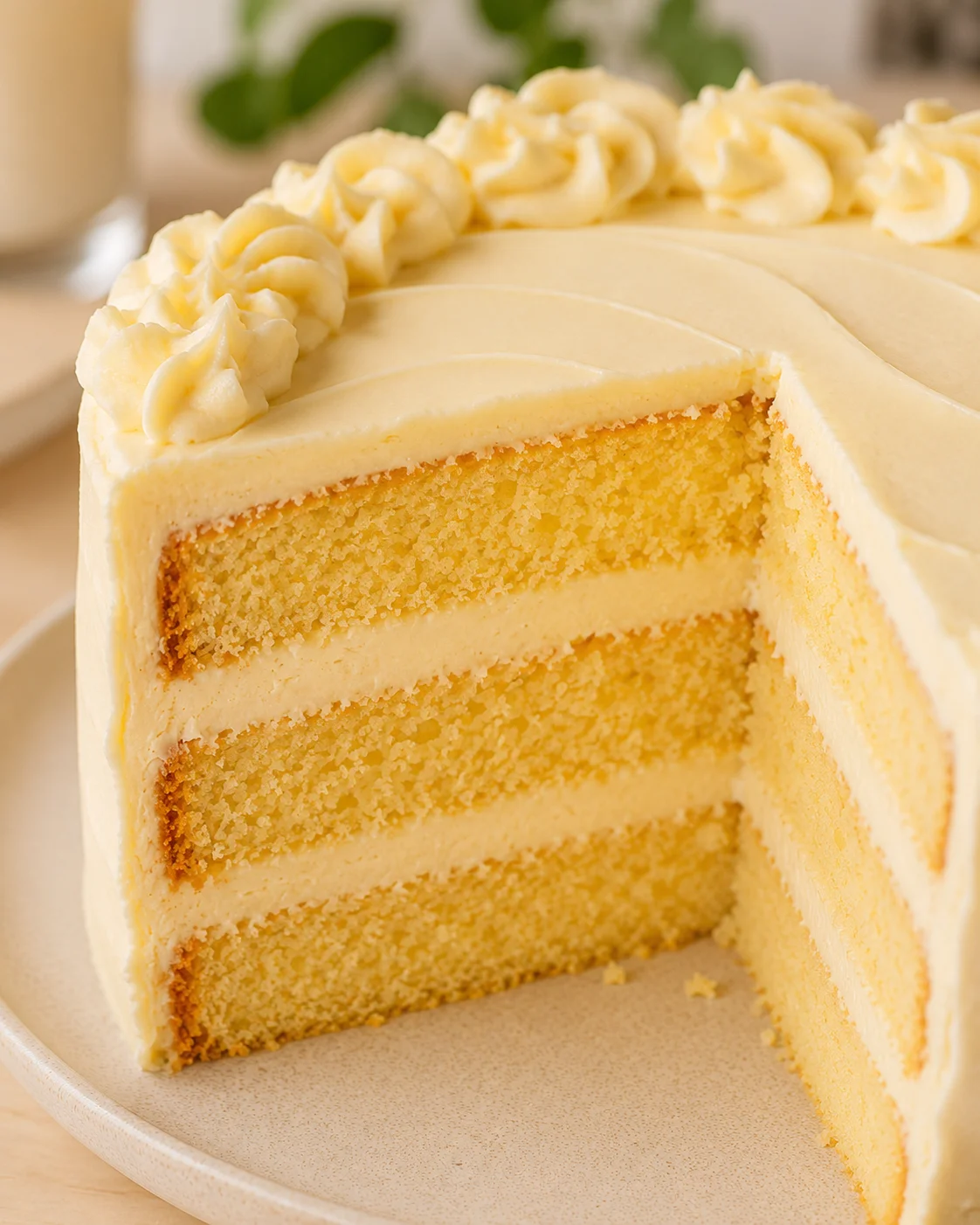
Easy Variations and Substitutions
Not everyone needs a full 16-slice cake. Here are some easy ways to adjust the recipe without messing up the chemistry.
Scaling Down (Half Batch) To make a single layer or two smaller 6-inch cakes, simply cut all ingredients in half. For the eggs, beat one and use half by weight or volume.
Bake in 6-inch pans and cut your baking time by about 20%, starting to check for doneness at around 20 minutes.
Scaling Up (Double Batch) For a big three-layer cake, double the ingredients but tweak the leavening carefully. Increase salt and baking powder by 1.5 times instead of doubling to avoid a metallic taste or uneven rising.
If your mixer has a small bowl, mix the batter in batches to ensure everything blends well.
Baking Temperature for Larger Batches When baking multiple pans simultaneously, drop the oven to 325°F (160°C) and add 5-10 extra minutes to the bake time.
This helps the cakes bake evenly without overbrowning on the edges or underbaking inside.
Storing, Freezing, and Thawing Tips
You want to keep that soft, velvety texture as long as possible, right?
Fridge Storage Store your frosted vanilla layer cake in an airtight cake carrier or sealed container. It stays fresh about 4-5 days. Thanks to the oil, it doesn’t harden up like butter-only cakes. Just let slices sit at room temp for about 15 minutes before serving—the flavor and texture will be perfect.
Freezer Storage You can also freeze the unfrosted layers! Wrap them tightly in plastic wrap and cover with aluminum foil. They’ll keep well for up to 3 months. When ready, thaw wrapped at room temp for about 2 hours.
Zero Waste Tips Don’t toss those uneven “domes” on top of your cake layers. Trim off the tops to get flat layers, then crumble the scraps. Stir in a bit of buttercream and sprinkles to make fun cake pops for a no-waste treat.
If you prefer, crumble the leftover pieces over fresh berries and whipped cream for a quick, delicious dessert.
Answers to Common Cake Questions
What’s the secret to a moist layer cake?
Using both butter and oil. Butter brings flavor, while oil keeps the cake tender and moist even after chilling.
How to make a quick and easy vanilla cake?
Whisk the dry ingredients first, then beat in the wet for 2 minutes. Bake at 350°F for around 28 to 32 minutes until a toothpick comes out clean.
How do you make a stacked birthday cake?
Freeze cooled layers for 20 minutes before frosting. This firms them up, making stacking and frosting neat and simple without layers sliding.
How can we build a square tiny layer cake?
Bake the batter in a square pan and trim the edges with a serrated knife. Then stack with buttercream layers and frost the exterior for a neat look.
How can you make a simple birthday cake more special?
Use a piping bag to add pretty buttercream swirls. Make sure to sift the powdered sugar so your frosting is smooth and silky—this little step goes a long way!
Why did my cake sink in the middle?
This usually happens if the oven door is opened too early. The temperature drop causes the air bubbles to collapse before the cake sets, making the middle fall.
How to store the cake to keep it fresh?
Keep the frosted cake in an airtight container in the refrigerator. It stays fresh 4-5 days. Remember to bring slices to room temp for 15 minutes before serving for the best flavor and texture.