Kimchi Fried Rice with Chicken – Better Homebase

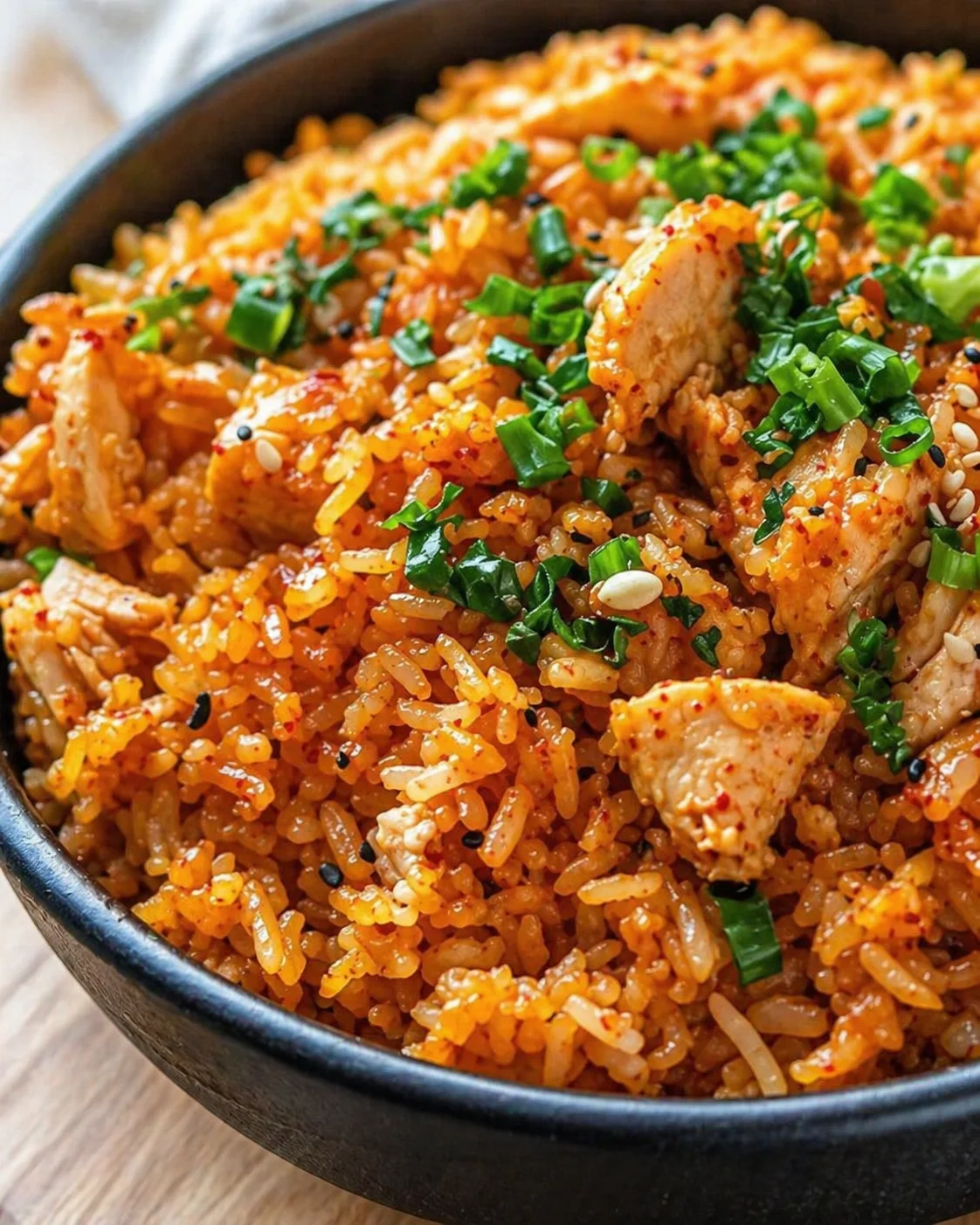
Who would’ve guessed that leftover rice could transform into such a flavor-packed dish?
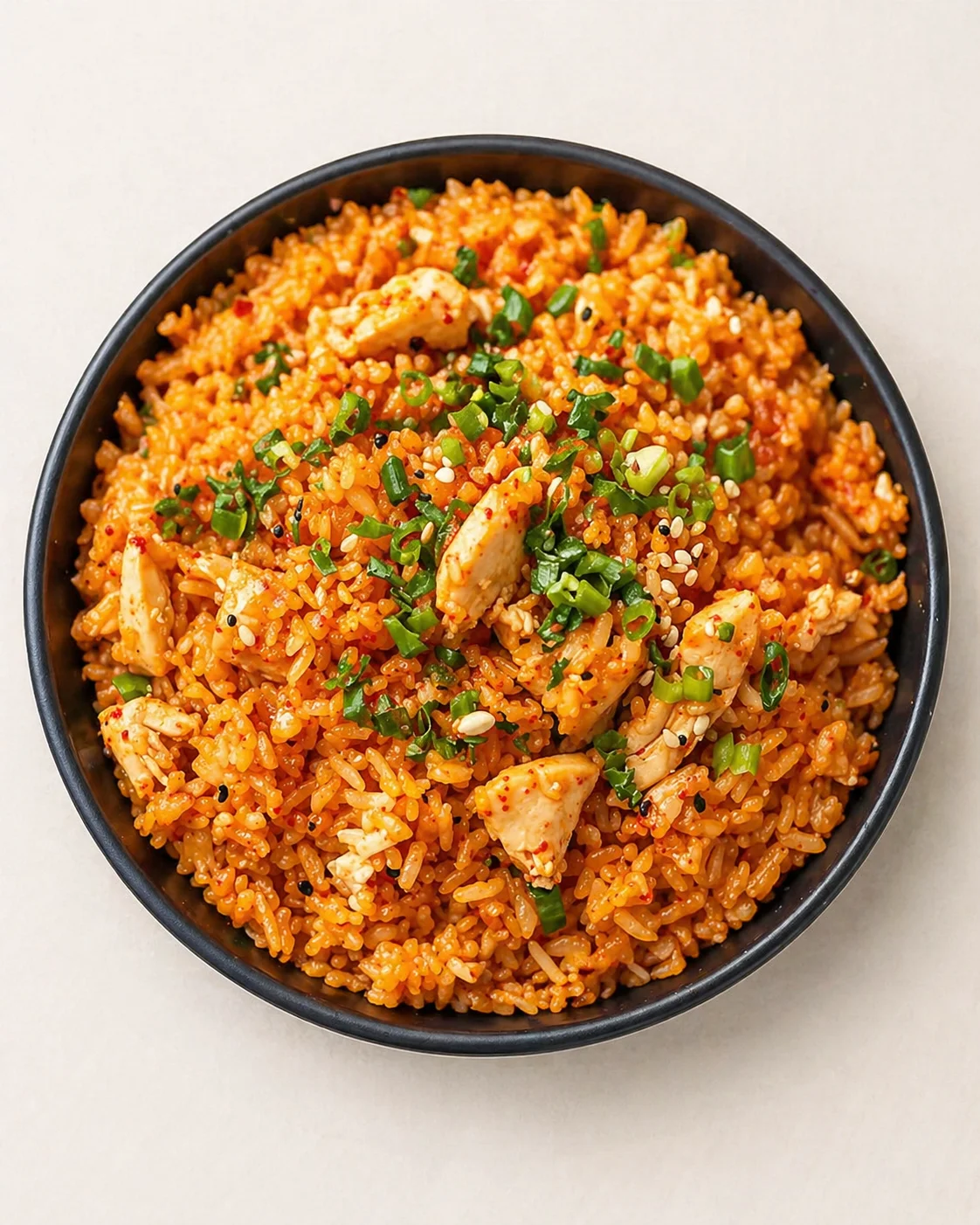
Get ready to treat your taste buds with my kimchi fried rice with chicken recipe!
Kimchi has become a household favorite lately—did you know its popularity in the US surged by 70% over the past five years? This probiotic superstar is now a star ingredient in comfort food classics everywhere.
So grab your chopsticks and let’s dig into this amazing mix of tangy kimchi, juicy chicken, and perfectly crisped rice!
This dish is the perfect quick fix for busy nights when you want something fuss-free but full of flavor. In just about 35 minutes total (15 minutes to prep, 20 minutes cooking), you’ll whip up a Korean-inspired dinner that feeds four and clocks in around 450 calories per serving.
What’s so great about this kimchi fried rice? It’s bursting with layers of taste—from caramelized kimchi and its tangy juice, to tender chicken seared just right, crispy rice nuggets, and fluffy scrambled or fried eggs all finished with sesame oil and fresh green onions. Plus, you can dial the heat up or down and swap chicken for tofu, shrimp, or gluten-free sauces to fit your family’s needs.
Below, I’ve laid out everything you need: a straightforward ingredient list, step-by-step instructions, pro tips for nailing the texture (tip: day-old rice is a must), clever swaps, plus advice on storing, freezing, reheating, and an FAQ section to clear up common questions.
Bold Flavors, Healthy Perks
This isn’t your average stir-fry—kimchi fried rice with chicken is next-level delicious! For the best fried rice texture, use day-old rice—it stays fluffy and distinct. Here’s why it’s a keeper:
- Flavor explosion! You get the perfect spicy, tangy, and savory combo that wakes up your palate with every bite.
- Healthy bonus: Thanks to fermented kimchi, each mouthful is packed with gut-friendly probiotics.
- Diet-friendly: This recipe is super flexible and easily adapts to gluten-free, low-carb, or vegetarian diets.
Ingredients and Pantry Staples
- 3 cups day-old cooked white rice
- 1 cup chopped kimchi
- 2 tablespoons kimchi juice
- 300 g about 10 oz boneless, skinless chicken thighs, cut into bite-sized pieces
- 2 tablespoons vegetable oil
- 2 cloves garlic, minced
- 1 tablespoon grated ginger
- 3 green onions, chopped (white and green parts separated)
- 2 tablespoons soy sauce
- 1 tablespoon gochugaru (Korean red pepper flakes)
- 2 teaspoons sesame oil
- 2 large eggs
- Salt to taste
Step-by-Step Cooking Guide
- Marinate chicken pieces with 1 tablespoon soy sauce and 1 teaspoon gochugaru in a small bowl; let sit 10 minutes.
- Heat 1 tablespoon vegetable oil in a large skillet or wok over medium-high heat.
- Add the marinated chicken and cook until golden and cooked through, about 5–6 minutes; remove and set aside.
-
Add the remaining tablespoon of oil to the same pan.
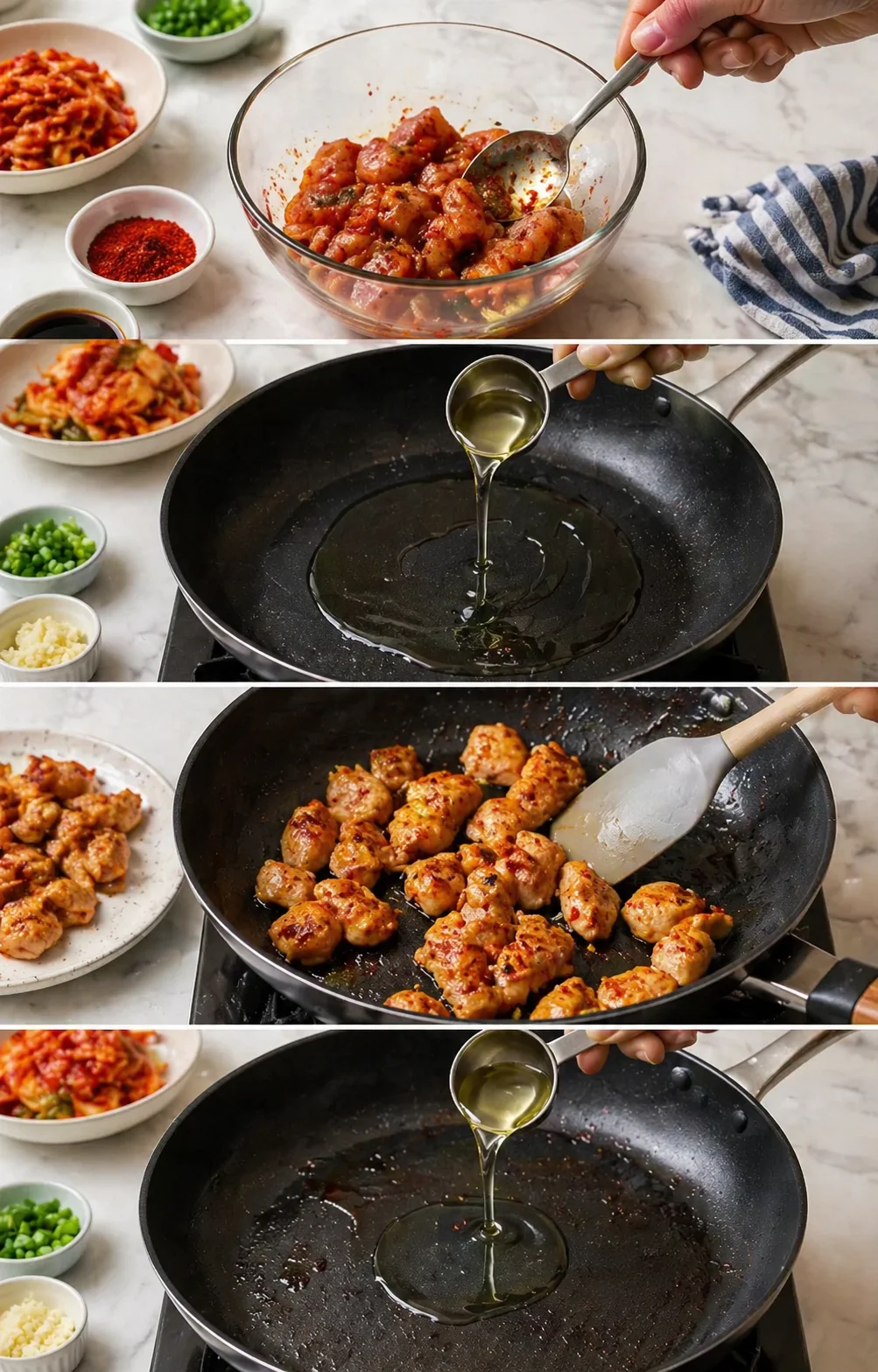
- Add minced garlic, grated ginger, and the white parts of the green onions; sauté about 30 seconds until fragrant.
- Add chopped kimchi and stir-fry 2–3 minutes until it starts to caramelize.
- Add day-old rice, break up any clumps, and stir-fry 3–4 minutes until the rice is lightly crisped.
-
Pour in the kimchi juice, remaining soy sauce, and remaining gochugaru; mix well to combine.
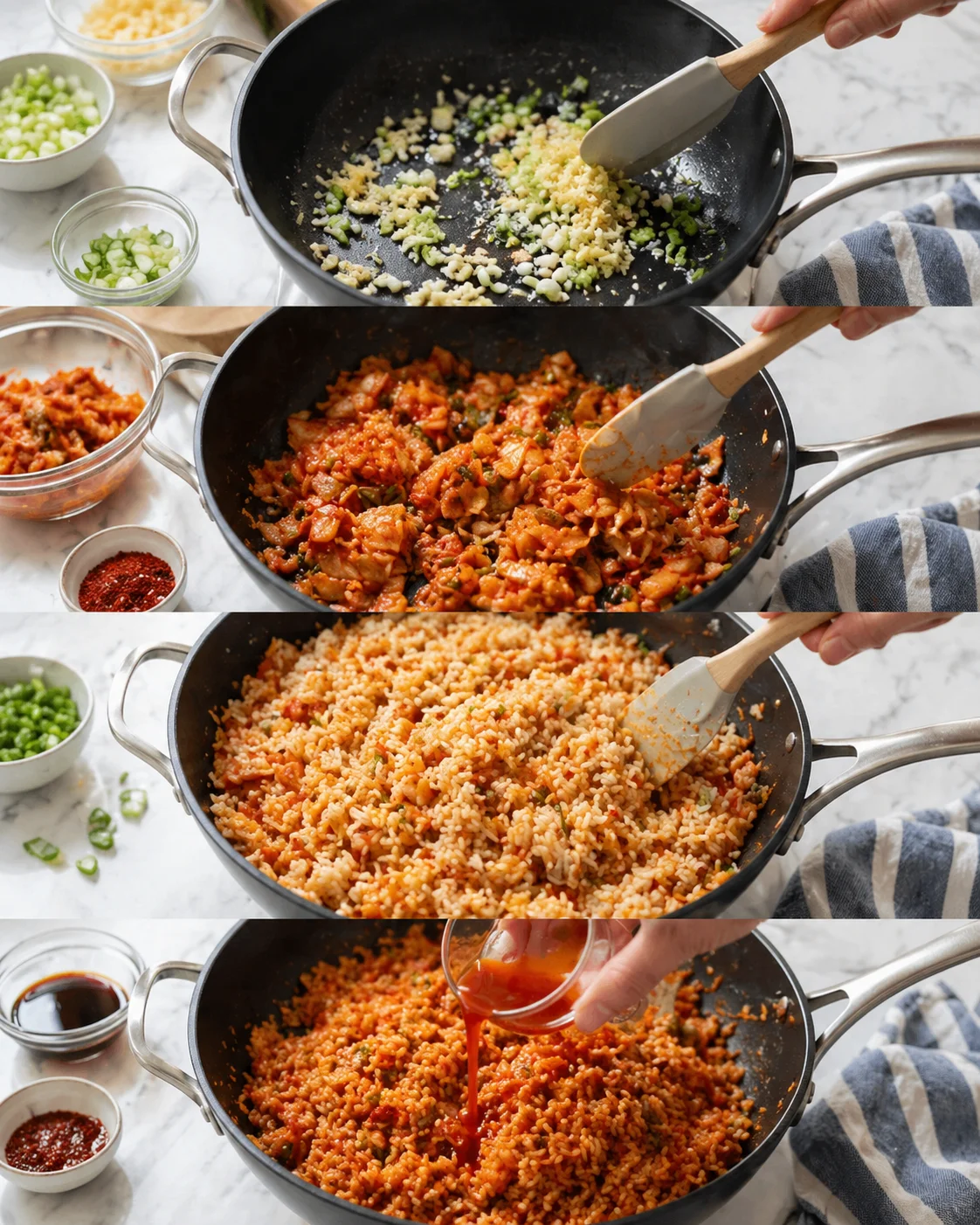
- Return the cooked chicken to the pan and stir to incorporate.
- Make a well in the center of the rice mixture, crack in the eggs, scramble them, and then fold the eggs into the rice.
- Drizzle sesame oil over the rice and add the green parts of the green onions; stir to combine.
-
Taste and adjust seasoning with salt if needed.

Pro Tips for Perfect Results
Want to turn this tasty dish into a family favorite? Here are some extra tips from my kitchen to yours:
- Rice-to-kimchi ratio: Use about 1 cup of kimchi for every 2 cups of rice to keep things balanced and flavorful. Feel free to tweak based on your kimchi love level!
- Heat control: Adjust the spice by using more or less gochugaru, or add a spoonful of gochujang if you want a deeper heat boost.
- Add some veggies: Toss in diced carrots, peas, or corn for a pop of color and nutrition—great way to sneak veggies into dinner.
- Round out the meal: Serve with a side of garlicky Korean-style spinach or a crisp cucumber salad to balance all that bold flavor.
Even the best cooks have slip-ups, so watch out for these common mistakes:
- Avoid using freshly cooked rice—it’s too soft and won’t crisp properly, turning your dish mushy fast. For a quick example of ideal rice texture and high-heat stir-frying, see Chinese BBQ Pork Fried Rice in 20 Minutes.
- Drain excess kimchi juice before cooking to keep your rice from steaming instead of frying.
- Season little by little as you cook and taste along the way so the flavors stay balanced.
- Be careful not to overcook your chicken, or it will turn dry and rubbery, and nobody wants that.
Swaps, Substitutions, and Add-Ins
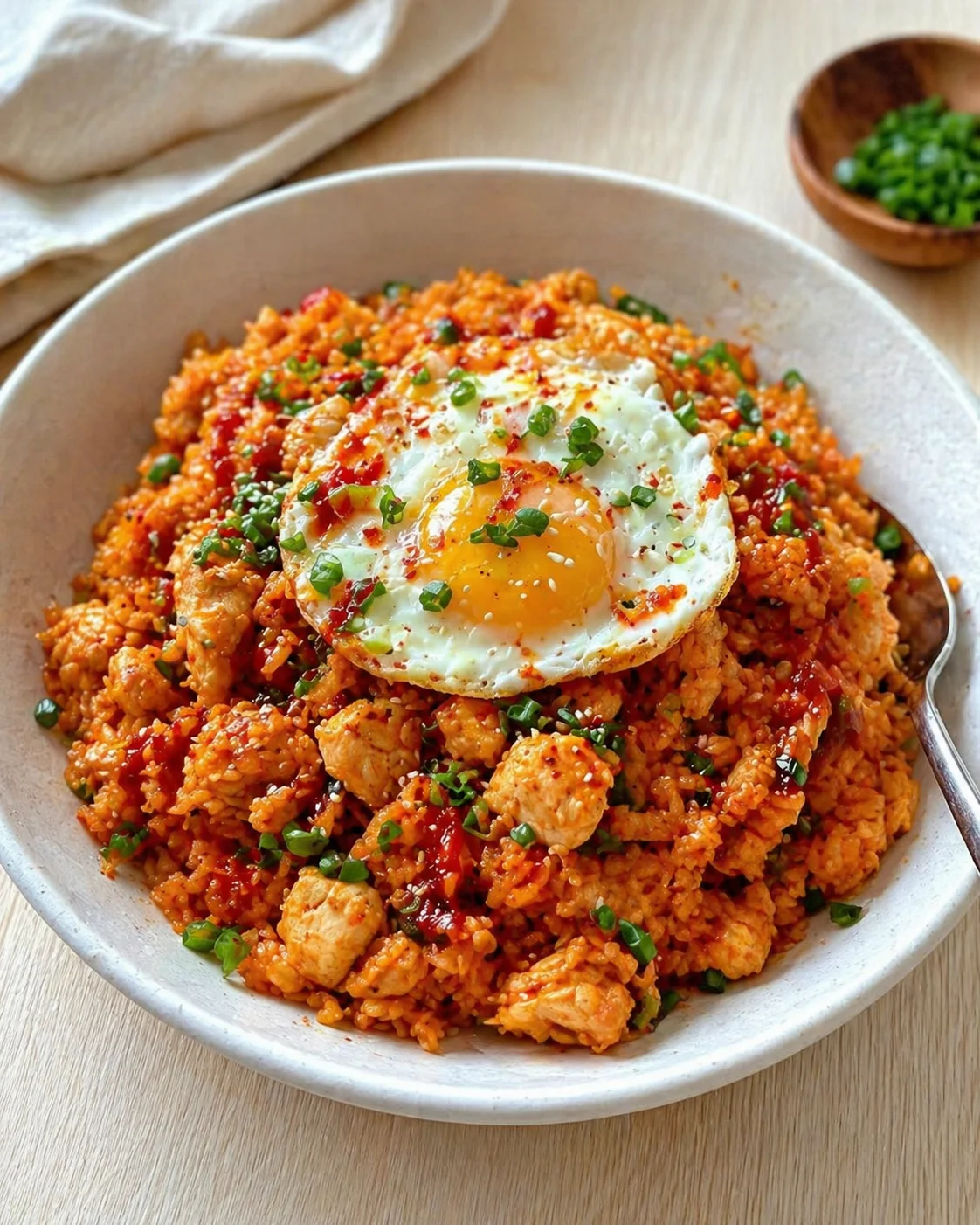
Want to make this your own? Here are some simple swaps and extras that work beautifully:
- Protein swaps: Swap chicken for shrimp, thin-sliced pork (bulgogi style works great), ground pork, leftover rotisserie chicken, or diced leftover slow cooker teriyaki pork with pineapple for a sweet-savory twist. For a vegetarian spin, firm or extra-firm tofu pressed, cubed, and pan-fried makes a wonderful stand-in, or try tempeh.
- Going vegan: Skip the eggs and chicken, add pan-fried tofu or mushrooms for that hearty feel, and swap soy sauce with tamari or coconut aminos to keep it allergy-friendly.
- Low-carb options: Use riced cauliflower instead of rice. Cook it briefly so it keeps its texture, and add it near the end to avoid sogginess.
- Gluten-free swaps: Just switch soy sauce for tamari or coconut aminos for the same umami without gluten.
- Heat and umami boosts: Stir in 1–2 teaspoons of gochujang for a sweet and spicy punch, or a splash of fish sauce for extra depth (skip if vegan or vegetarian).
- Veggie add-ins: Mix in diced carrots, peas, corn, bell pepper, baby spinach, or sliced shiitake mushrooms for extra color and texture. Add hard veggies early, and delicate greens last.
- Toppings: Instead of scrambled eggs, try topping with a sunny-side-up or soft-fried egg. Toasted sesame seeds, a drizzle more sesame oil, or crispy fried shallots make lovely garnishes.
Storage and Reheating Tips
Keep your kimchi fried rice tasting fresh with these handy tips for storage and leftovers:
- Refrigerator: Cool your rice to room temperature (no more than two hours on the counter), then transfer to an airtight container. It’ll keep for 3–4 days. Remember to drain or blot extra kimchi juice before storing to avoid soggy rice.
- Freezing: Freeze your rice in a freezer-safe container or zip-top bag for up to two months. Thaw overnight in your fridge before reheating.
- Stovetop reheating (best for texture): Warm a tablespoon of oil in a skillet over medium-high heat. Add your rice plus a splash of water or soy sauce, tossing until hot. Finish on high heat for a minute to bring back that crispiness.
- Microwave: Put your rice in a microwave-safe dish, cover loosely or with a damp paper towel, and heat in 60-90 second bursts, stirring in between until piping hot.
- Oven (great for bigger batches): Spread rice in an oven-safe dish, cover with foil, and warm at 350°F (175°C) for 15–20 minutes, stirring once halfway through.
- Eggs and finishing touches: If your original meal included a fried egg on top, cook fresh eggs when reheating for best texture. Add fresh green onions and a drizzle of sesame oil just before serving.
- Food safety: Reheat leftovers until steaming hot all the way through (aim for 165°F / 74°C). Avoid reheating the same portion repeatedly; just reheat what you plan to eat each time.
- Make-ahead tip: For best texture, prep and refrigerate components separately—cooked chicken, sautéed kimchi, and rice. When ready to eat, quickly combine and warm in a hot skillet.
Answers to Common Questions
Can I use fresh rice instead of day-old rice?
Day-old rice really gives you that perfect crisp texture, but if fresh is all you have, spread it on a baking sheet and let it cool completely before cooking. This helps dry it out a bit so it fries better.
Is this dish very spicy?
The heat level is totally up to you! Start with less gochugaru and add more if you want it spicier. That way, everyone’s happy at the table. For a cooling finish, pair the meal with a tangy-sweet Lemon Rhubarb Loaf recipe.
Can I freeze kimchi fried rice?
Yes, absolutely! It freezes well for up to two months. Just thaw it in the fridge overnight and reheat fully before serving.
Kimchi Fried Rice with Chicken
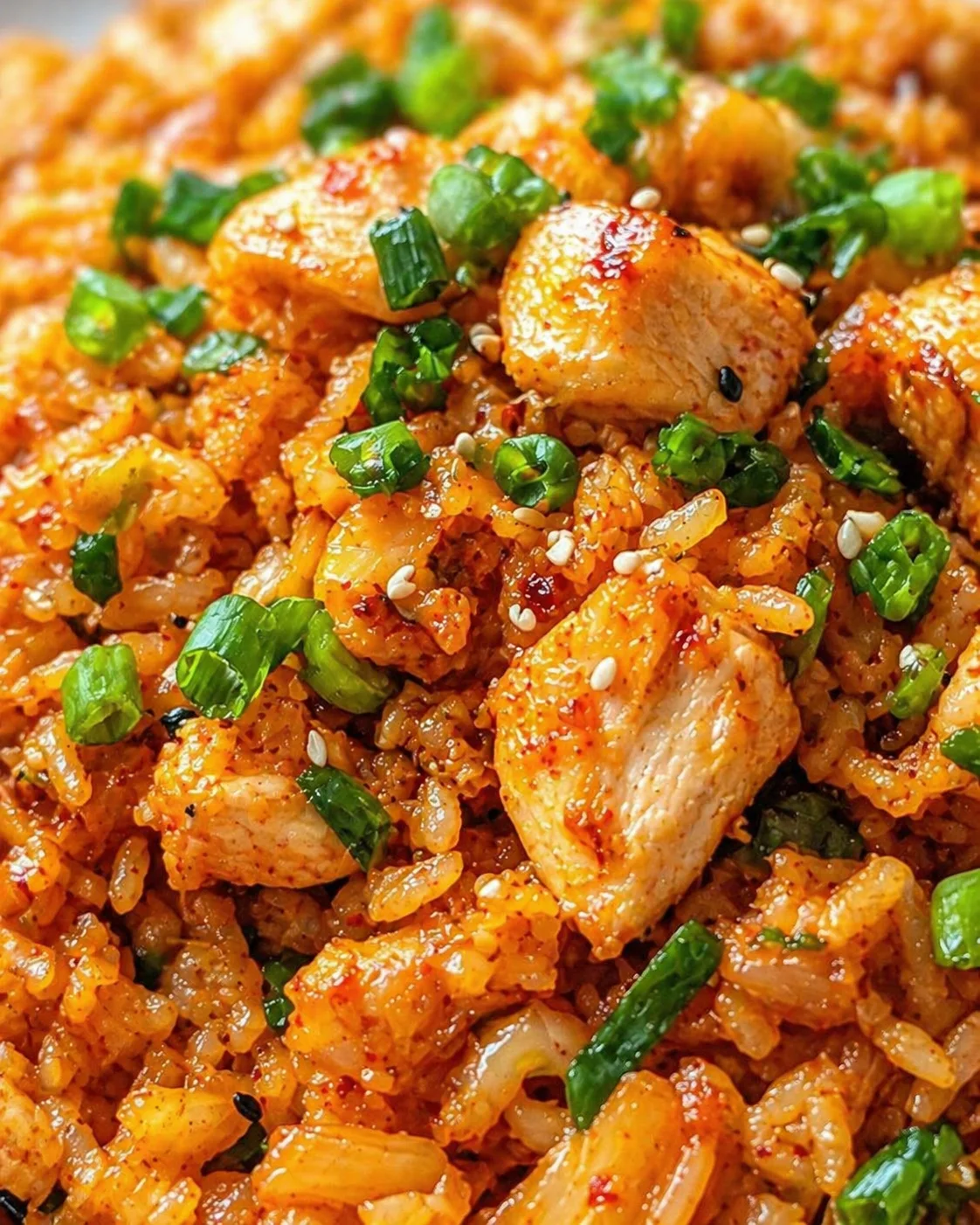
A flavorful Korean-inspired fried rice dish using day-old rice, tangy kimchi, juicy chicken thighs, and eggs, finished with sesame oil and green onions. Quick and adaptable with a spicy, tangy, and savory flavor profile.
- Total Time: 35 minutes
- Yield: 4 servings 1x
Ingredients
- 3 cups day-old cooked white rice
- 1 cup chopped kimchi
- 2 tablespoons kimchi juice
- 300 g (about 10 oz) boneless, skinless chicken thighs, cut into bite-sized pieces
- 2 tablespoons vegetable oil
- 2 cloves garlic, minced
- 1 tablespoon grated ginger
- 3 green onions, chopped (white and green parts separated)
- 2 tablespoons soy sauce
- 1 tablespoon gochugaru (Korean red pepper flakes)
- 2 teaspoons sesame oil
- 2 large eggs
- Salt to taste
Instructions
- Marinate chicken pieces with 1 tablespoon soy sauce and 1 teaspoon gochugaru in a small bowl; let sit 10 minutes.
- Heat 1 tablespoon vegetable oil in a large skillet or wok over medium-high heat.
- Add the marinated chicken and cook until golden and cooked through, about 5–6 minutes; remove and set aside.
- Add the remaining tablespoon of oil to the same pan.
- Add minced garlic, grated ginger, and the white parts of the green onions; sauté about 30 seconds until fragrant.
- Add chopped kimchi and stir-fry 2–3 minutes until it starts to caramelize.
- Add day-old rice, break up any clumps, and stir-fry 3–4 minutes until the rice is lightly crisped.
- Pour in the kimchi juice, remaining soy sauce, and remaining gochugaru; mix well to combine.
- Return the cooked chicken to the pan and stir to incorporate.
- Make a well in the center of the rice mixture, crack in the eggs, scramble them, and then fold the eggs into the rice.
- Drizzle sesame oil over the rice and add the green parts of the green onions; stir to combine.
- Taste and adjust seasoning with salt if needed.
Notes
Use day-old rice to achieve crispy texture; freshly cooked rice is too soft and may become mushy., Adjust spice level by varying gochugaru amount or adding gochujang for deeper heat., Add vegetables like diced carrots, peas, corn, bell pepper, baby spinach, or sliced shiitake mushrooms for extra color and nutrition., Protein swaps include shrimp, thin-sliced pork, ground pork, tofu, or tempeh., For vegan version, omit eggs and chicken, use tofu or mushrooms, and substitute soy sauce with tamari or coconut aminos., Use riced cauliflower as a low-carb rice alternative; add near the end to avoid sogginess., Store leftovers in airtight containers; drain excess kimchi juice before storing to prevent sogginess., Reheat on stovetop, microwave, or oven; add fresh eggs and garnishes when reheating for best texture., Freeze up to two months; thaw overnight in fridge before reheating.
- Prep Time: 15 minutes
- Cook Time: 20 minutes
- Category: Main Course
- Cuisine: Korean
Nutrition
- Serving Size: 1 serving
- Calories: Approximately 450 calories per serving
- Fat: Approximately 15 g per serving
- Carbohydrates: Approximately 50 g per serving
- Protein: Approximately 25 g per serving