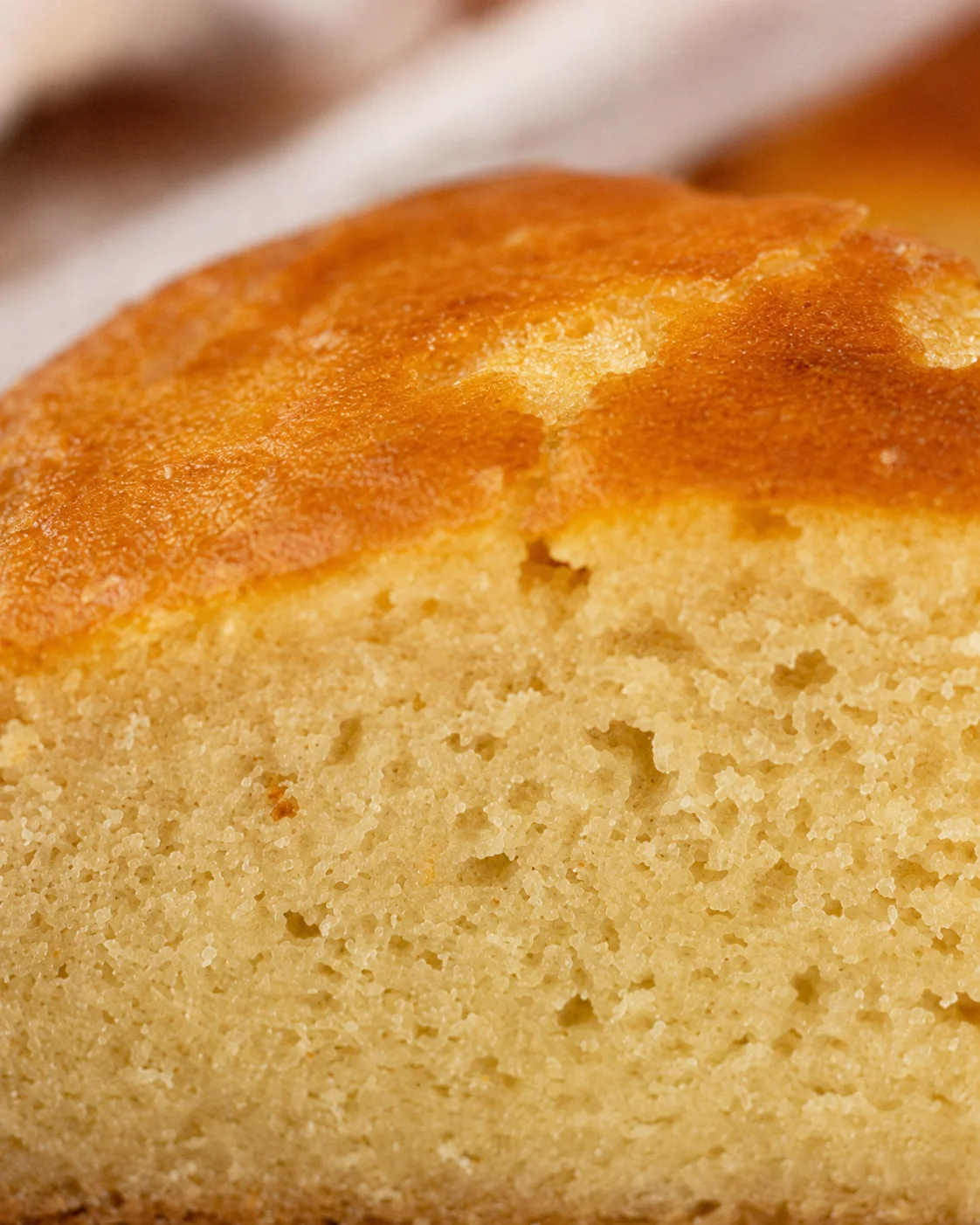
Eggless Vanilla cake and Chocolate cake

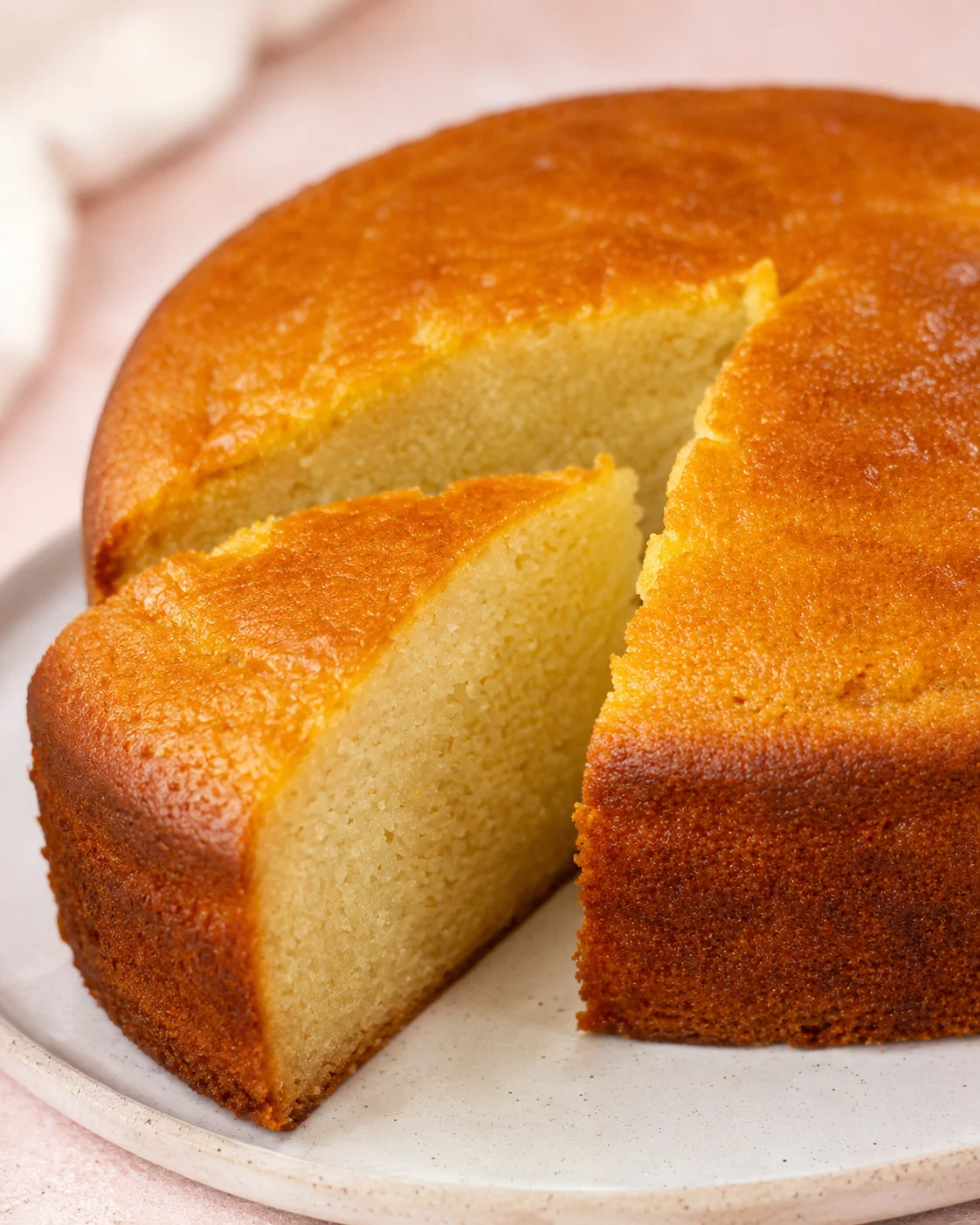
Picture this: a cozy rainy afternoon, you’re snuggled up in bed with nowhere to rush off to, and you suddenly crave something simple yet totally indulgent. That’s exactly where I found myself recently, which sent me straight to my trusty eggless vanilla and eggless chocolate cake recipes. These cakes are my go-to comfort food any day of the week, and honestly, I’ve been baking them for so long I can’t remember an occasion when I didn’t reach for these classics!
What I love most about these eggless cake recipes is how flexible they are. You can easily tweak the flavors or add mix-ins without worrying about messing up the texture or taste. Sometimes, I just want a soft, moist vanilla cake to brighten my day. Other times, nothing beats the rich hug of a classic chocolate cake. Plus, these recipes shine as layered cakes, or whipped up as simple loaf treats with nuts or chocolate chips stirred right in—perfect for afternoon tea.
If you’re craving something warm, easy, and always satisfying—especially on those gloomy rainy days—these eggless cake recipes fit the bill perfectly. I keep coming back to this pair of eggless vanilla and eggless chocolate cake recipes for everything from last-minute teatime bites to special occasion layered cakes, and they truly never let me down.
Below, you’ll find simple, no-fail instructions for both an eggless vanilla cake and an eggless chocolate cake. Each bakes up beautifully in an 8-inch pan at 180°C (350°F) in about 30 to 35 minutes. I’ve packed in step-by-step photos, smart troubleshooting tips, and a little science lesson on why the two batters act a bit differently—the vanilla batter is naturally thicker, while the chocolate batter feels lighter because of the blend of cocoa and coffee—so you can bake confidently and know exactly what to expect.
Beyond the basics, I’ll share handy extras like swap ideas, tweaks for cupcakes or loaves, smart storage hacks, freezing tips, and answers to your most common questions. Everything is designed to make these eggless cake recipes foolproof and fun—so you get delicious results every single time.
- Simple, clear recipes for eggless vanilla and eggless chocolate cakes
- Pro tips to keep these cakes light, fluffy, and moist
- Flavor variations, ingredient swaps, and smart storage advice
- Quick fixes for baking hiccups to save your day
Why You’ll Love These Cakes
In these eggless cake recipes, you’ll notice the vanilla cake batter is a bit thicker than the chocolate. Don’t be surprised if your batter feels that way too—it’s totally normal! The eggless vanilla cake is wonderfully moist thanks to the yogurt and oil, but the chocolate cake feels slightly lighter because the cocoa powder and coffee slurry lighten up the mix. Both are tender and soft, just with different flavor profiles.
The eggless chocolate cake delivers a deep, rich chocolate punch, amped up by a touch of coffee powder that enhances—but doesn’t overpower—the chocolate. Meanwhile, the eggless vanilla cake relies on good-quality vanilla extract for a warm, inviting aroma and flavor that’s simply heavenly.
Ingredients for Both Cakes
- 2 + ¼ cups (270g) all-purpose flour
- 1 ½ teaspoons (6g) baking powder
- 1 ½ cups (428g) yogurt (preferably thick)
- ½ teaspoon (2g) baking soda
- 1 + ¼ cups (280g) caster sugar
- ¾ cup (180ml) vegetable oil
- 1 ½ teaspoons (7ml) pure vanilla extract
- ¾ cup (90g) cocoa powder
- ¾ cup (180ml) hot water
- 1 tablespoon (12g) coffee powder
- 1 + ½ cups (300g) caster sugar
- ¾ cup (180ml) vegetable oil
- 1 teaspoon (5ml) vanilla extract
- 1 cup (285g) yogurt
- 1 + ½ cups (285g) all-purpose flour
- 1 teaspoon (4g) baking powder
- ½ teaspoon (3g) baking soda
- A pinch of salt
Baking the Vanilla and Chocolate Cakes
- Preheat oven to 180°C (350°F) and line an 8-inch round cake pan with parchment paper, then lightly grease the sides and base.
- For the vanilla cake, whisk together yogurt and baking soda in a bowl and let it sit until bubbly and foamy.
- Sift together all-purpose flour and baking powder into a separate bowl and set aside.
- Add caster sugar and vegetable oil to the foamed yogurt mixture and stir gently to combine.
- Stir in the vanilla extract.
-
Fold the sifted dry ingredients into the wet mixture with a spatula just until no large streaks of flour remain — do not overmix.
- If using, fold ½–¾ cup chocolate chips, chopped nuts, or dried fruit into the vanilla batter.
- Pour the vanilla batter into the prepared pan, smooth the surface, and bake for 30–35 minutes or until a skewer inserted in the center comes out clean or with a few moist crumbs.
- Let the vanilla cake cool in the pan for 10–15 minutes, then transfer to a wire rack to cool completely before removing the parchment.
- For the chocolate cake, preheat oven to 180°C (350°F) and line and grease an 8-inch round pan.
- Dissolve the coffee powder in hot water, then stir the coffee into the cocoa powder to form a smooth cocoa-coffee paste.
- Add caster sugar, vegetable oil, and yogurt to the cocoa slurry and whisk until smooth.
- Sift all-purpose flour, baking powder, baking soda, and salt over the wet chocolate mixture.
- Fold the dry ingredients into the wet chocolate mixture gently with a spatula until just combined — avoid overmixing.
- Pour the chocolate batter into the prepared pan and bake for 30–35 minutes or until a skewer inserted in the center comes out clean.
- Cool the chocolate cake in the pan briefly, then transfer to a wire rack to cool completely before removing from the pan.
Pro Tips for Fluffy Results
- Always prep your baking pan first. Line it with parchment paper and lightly grease to ensure your eggless vanilla cake slips out easily.
- Resist the urge to overmix when folding together wet and dry ingredients. Overmixing deflates the air and makes your cake dense and heavy rather than light and fluffy.
- Use room temperature ingredients unless the recipe says otherwise — this helps your batter blend smoothly and bake evenly.
- Be patient when setting aside the yogurt and baking soda mixture for the vanilla cake; it needs to foam and bubble for a proper lift that mimics the egg’s action.
- Feel free to stir in nuts or dried fruits into the vanilla batter – its thick texture handles add-ins beautifully without ruining the structure.
- Choose a thicker yogurt for the vanilla cake — creamy Greek yogurt or strained plain yogurt works best. Waterier options thin the batter too much.
- Don’t skip preheating your oven. Recipes rely on the oven hitting the right temperature at the start for perfect rising and texture.
-
Cooling time is key! I know waiting can be hard, but letting your cakes cool fully before removing from pans means clean edges, less breaking, and no crumbly mess.
- Sift your dry ingredients carefully, especially the cocoa powder which can get lumpy. This adds air for a lighter cake.
- Using coffee powder in the chocolate cake is a little trick I swear by. It doesn’t make your cake taste like coffee but boosts that rich chocolate flavor like magic.
- Don’t skip the pinch of salt. It balances sweetness and deepens the flavor in both eggless cake recipes.
- Get your oven ready by preheating and prepping your baking tins the moment you start your batter.
- For the eggless chocolate cake, gently folding the batter keeps it light and airy — so be kind and avoid overmixing!
Flavor Swaps and Mix-Ins
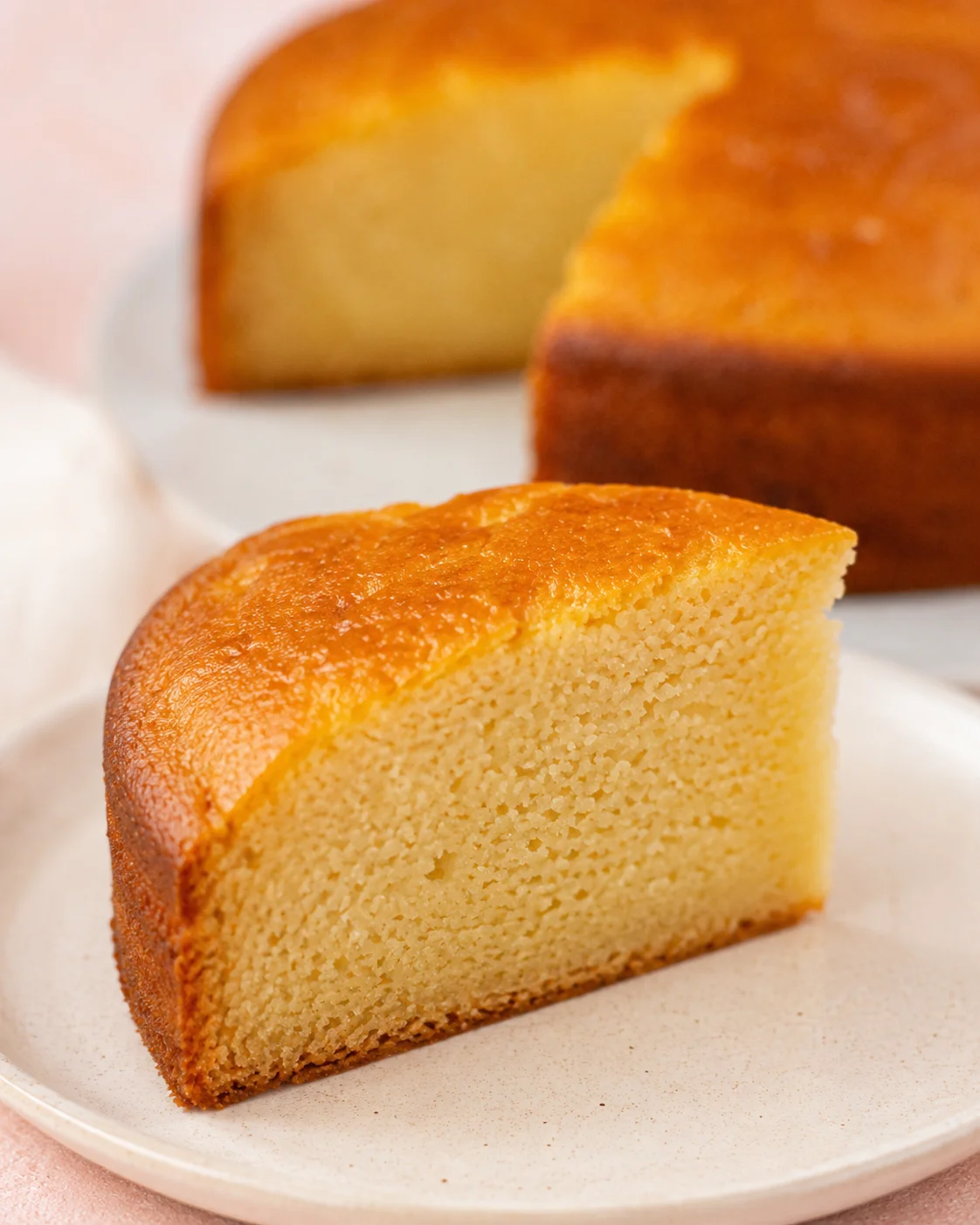
- Mix-ins magic: Add about ½ to ¾ cup of chocolate chips, chopped nuts like almonds or walnuts, or dried fruits such as raisins into the vanilla batter to give your cake a lovely crunch and extra flavor.
- Flavor swaps: For a twist on vanilla, swap out 1 teaspoon vanilla extract with ½ teaspoon almond extract or try adding 1–2 teaspoons of fresh citrus zest like lemon or orange for a bright, fresh note.
- Richer bites: Replace vegetable oil with an equal amount of melted unsalted butter for a deeper, more buttery flavor and slightly firmer texture.
- Yogurt alternatives: You can use sour cream or buttermilk instead of yogurt in a 1:1 swap. Just make sure to use thick yogurt or drain runny yogurt so the batter doesn’t get too thin.
- Cupcakes or loaves: Pour these batters into lined muffin tins and bake for 18–22 minutes for cupcakes. For a loaf, bake longer until a skewer comes out clean—adjust baking time based on your tin size.
- Decorations: For the chocolate cake, try topping with a simple, glossy chocolate ganache. The vanilla cake can be dusted with powdered sugar and fresh fruit for a light, pretty finish.
How to Store Your Cakes
- Always cool cakes completely before storing to avoid moisture build-up that can make your cakes soggy.
- Store unfrosted or lightly covered cakes at room temperature in an airtight container or cake dome for 1 to 2 days—perfect when you plan to enjoy them quickly.
- If you need to keep them longer, refrigerate in an airtight container for up to 4 to 5 days. Just remember, refrigeration can dry cakes a bit, so bring them back to room temperature before serving.
- Freeze cooled, unfrosted cakes or layers tightly wrapped in plastic wrap and foil for up to 3 months. Frosted cakes can freeze too but need careful wrapping to protect the icing.
- To thaw, leave cakes in the fridge overnight or a few hours at room temperature. Warm slices gently in the microwave for 10–20 seconds or refresh a whole cake in a 150°C (300°F) oven for 8–12 minutes.
- About make-ahead: because yogurt and baking soda react quickly, don’t leave batter sitting out too long. Want to prep early? Go ahead and bake the cakes, then store or freeze the finished layers instead.
Answers to Common Questions
- Q: Can I swap oil for butter? A: Absolutely! Use melted unsalted butter 1:1, but expect a slightly denser texture and a richer flavor.
- Q: What type of yogurt is best? A: Thick yogurt like Greek or strained yogurt is best. If your yogurt is very runny, strain it before using to keep the batter just right.
- Q: Why yogurt and baking soda? A: Yogurt’s acidity activates the baking soda to give lift and tenderness to these eggless cakes. Waiting for the yogurt and soda to foam before mixing helps get the best rise.
- Q: Why is my cake dense? A: Dense cake usually means overmixing, too runny yogurt, incorrect oven temperature, or underbaking. Follow folding instructions carefully and test with a skewer for doneness.
- Q: Why add coffee to the chocolate cake? A: Coffee powder amplifies the chocolate flavor without adding any coffee taste, making the chocolate taste richer and deeper.
- Q: Can I make cupcakes? A: Yes! Use the same batter, scoop into lined muffin cups two-thirds full, and bake at 180°C for 18–22 minutes, checking with a skewer.
- Q: Can I halve or double the recipes? A: Definitely! Halve for smaller cakes or double for larger/layered cakes. Adjust baking time and pan size accordingly and keep an eye on the skewer test.