Easy Vanilla Cake

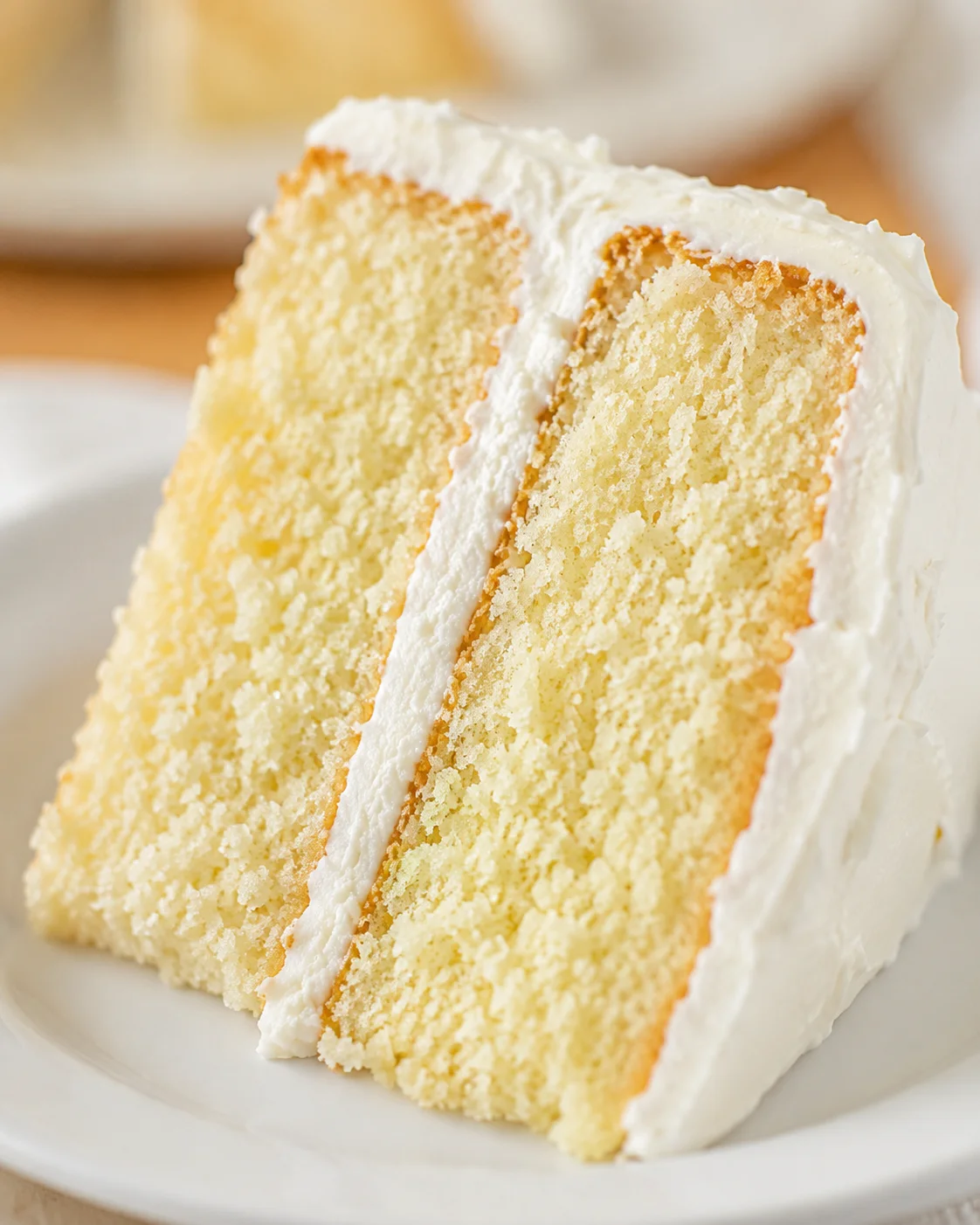
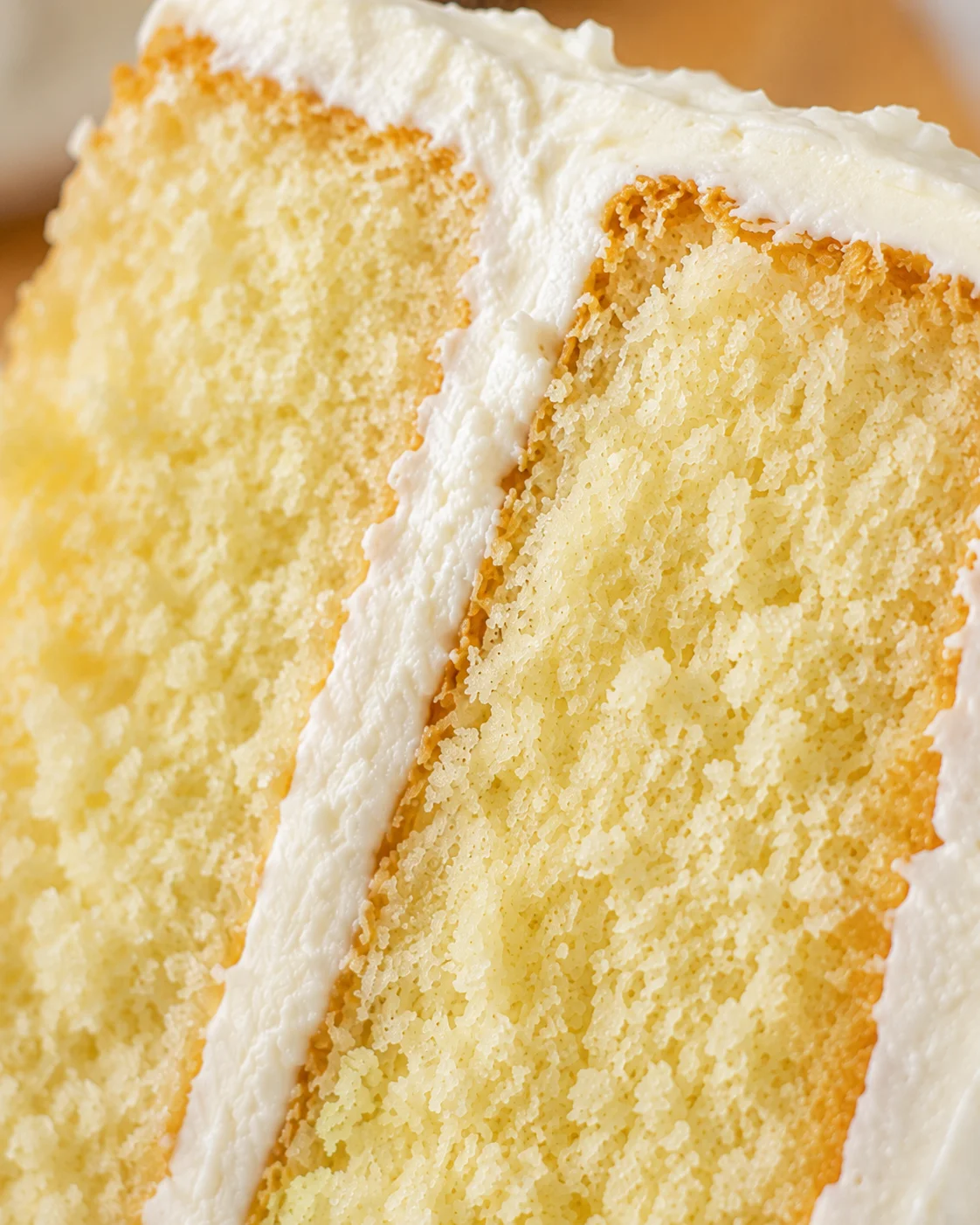
Vanilla Cake is a timeless favorite, made with real vanilla extract and topped with creamy buttercream frosting — all ready in less than an hour!
Vanilla cake really is one of those classic desserts everyone loves. It’s all about the rich vanilla flavor combined with a fluffy, tender crumb, then finished with my go-to homemade buttercream frosting. This cake is perfect for any celebration, whether it’s a birthday, wedding, or just an everyday treat. Plus, the batter doubles perfectly for cupcakes if you want to switch things up!
Before you start, make sure your butter and eggs are at room temperature. It helps everything blend smoothly and gives you an even batter. Also, sifting your dry ingredients together before adding them really makes a difference — it keeps the texture light and helps everything mix evenly. If you don’t have a sifter, a good whisk works, too, though your cake might be just a little less airy.
Want to mix it up? Try topping this vanilla cake with chocolate frosting or rich cream cheese frosting instead for a different twist.
This vanilla cake is a go-to for good reason — it’s simple, fast, and loved by everyone. With just everyday pantry staples, you can whip up the batter, bake it in two 8-inch pans in about 25-30 minutes, then frost and serve in under an hour total. The tender, buttery texture pairs beautifully with the classic buttercream or any frosting you prefer.
- Versatile: This recipe works great for cupcakes, sheet cakes, bundts, or layered celebration cakes.
- Customizable: It’s a perfect match with buttercream, cream cheese, chocolate frosting, fresh fruits, or fruity fillings like strawberry or pineapple.
- Reliable: Using common baking techniques, like room-temperature ingredients, sifting, and alternating wet and dry, ensures consistent texture and rise every time.
Why You’ll Keep Making It
You’ll keep coming back to this vanilla cake recipe because it’s straightforward, dependable, and so adaptable. It uses simple ingredients you already have, but the result is a cake with a soft, buttery crumb that’s perfect with any frosting or filling you want to try.
- Quick and approachable: The batter comes together in minutes, bakes in about half an hour, and you can frost it once cooled for a complete dessert in under an hour.
- Versatile: Whether you want cupcakes, sheet cakes, bundt cakes, or stacked layers for a special occasion, this vanilla cake batter fits the bill and can hold up to any frosting or filling.
- For every occasion: The mild vanilla flavor is perfect for birthdays, showers, weddings, or just a cozy family dessert — easy to dress up or keep simple.
- Reliable results: The recipe depends on time-tested techniques — room-temp ingredients, sifting, and adding wet and dry ingredients alternately — to ensure a consistent, tender cake every time.
- Make-ahead friendly: Cake layers freeze well unfrosted, and frosted cakes store differently depending on the frosting, so you can bake ahead and reduce event-day stress.
- Customizable texture and flavor: Simple swaps like buttermilk instead of milk or swapping part of the butter for neutral oil can tweak moistness and mouthfeel without changing the method.
All in all, this recipe is your new go-to vanilla cake: easy to make, easy to tailor, and always tasty.
Pantry-Friendly Ingredients
- 3/4 cup unsalted butter, at room temperature
- 1 1/3 cups sugar
- 3 large eggs, at room temperature
- 2 teaspoons vanilla extract
- 1 cup whole milk, at room temperature
- 2 1/4 cups all-purpose flour
- 2 1/4 teaspoons baking powder
- 1/2 teaspoon salt
- Classic Buttercream Frosting (see recipe)
How to Make the Cake
- Bring the butter, eggs, and milk to room temperature.
- Preheat oven to 350°F.
- Grease and flour two 8-inch cake pans and line the bottoms with parchment circles.
- Sift together the flour, baking powder, and salt and set aside.
- Beat the butter and sugar on medium speed 2–3 minutes until light and fluffy.
- Add the eggs one at a time, about 15 seconds apart, mixing after each, then mix in the vanilla.
- Lower mixer speed to low and alternately add the sifted dry ingredients and milk, mixing just until combined.
- Divide the batter evenly between the prepared pans.
-
Bake at 350°F for 25–30 minutes, start checking at 25 minutes; a toothpick should come out clean or with a few moist crumbs.
- While the cakes bake, whip up the buttercream frosting.
- Let the cakes cool completely, trim the tops level if needed, then frost with the buttercream.
Expert Tips for Better Results
- Bring your butter, eggs, and milk to room temperature before mixing. This helps everything combine smoothly and gives a lighter, more consistent batter.
- Sift or whisk the flour, baking powder, and salt together well. This keeps the rise even and stops clumps of baking powder from causing holes.
- Weigh your flour when possible because it gives the most accurate measurement. If you’re using cups, spoon the flour into the cup and level it off with a knife.
- Add dry ingredients and milk alternately while mixing on low speed. Mix just until combined to avoid developing too much gluten which can make the cake dense.
- Use an oven thermometer to check your oven’s actual temperature. Overbaking dries the cake — start checking with a toothpick at 25 minutes. It should come out clean or with a few moist crumbs.
- Line your pans with parchment circles after greasing them. This saves your cake from sticking and makes releasing the layers easier.
- Make sure your cakes cool completely before frosting. If they’re warm, the frosting will melt and pull up crumbs.
- For extra moistness, swap part of the milk for buttermilk or replace a quarter of the butter with a neutral oil. Remember, oil slightly changes the texture and flavor.
- If you want taller layers, double the recipe or bake multiple batches. Trim the tops flat before stacking for stable layers.
- To store, wrap unfrosted layers tightly and keep at room temperature for a day or freeze up to 2 months. Frosted cakes with dairy frosting like buttercream or cream cheese should be refrigerated and taken out about an hour before serving.
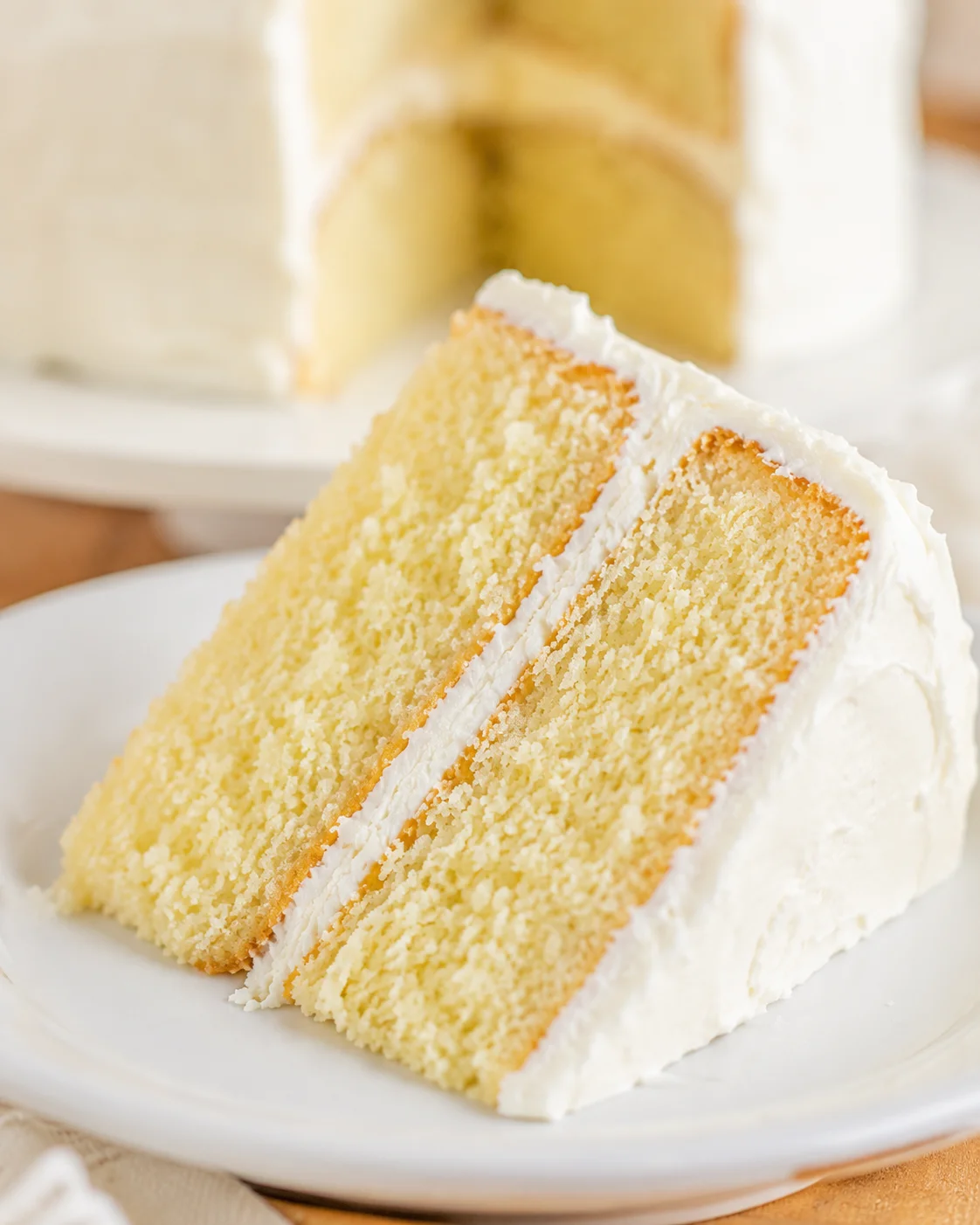
Ways to Customize It
- Summer Cake: Skip the frosting and sprinkle the top with powdered sugar and fresh berries for a light, fresh twist.
- Fun Shapes: Use a bundt pan or bake the batter in a sheet pan instead of round pans to mix up the presentation.
- Delicious Layers: Make a layer cake with the vanilla cake and spread pineapple topping between layers, then frost with cream cheese frosting. Or try strawberry filling and chocolate frosting for a fun flavor combo! This works great for cupcakes too — pipe filling in the center before frosting.
- Layered Cake: Use two 8-inch pans for a classic layer cake. To get taller cakes, double the recipe for more layers and frost between each. If you’re baking multiple tiers, bake in batches and reuse pans after they cool. Level off the tops of layers before stacking for a sturdy, neat cake.
- Vegan Cake: For a dairy-free version, swap butter for applesauce and milk for almond or soy milk. Keep in mind this will change texture slightly, making the cake less rich and buttery.
Storing, Freezing, and Serving
- Serve: If your cake is frosted with a dairy frosting, like buttercream or cream cheese, keep it at room temperature for up to 2 hours before serving.
- Store: Unfrosted cake layers can be wrapped tightly and stored at room temperature for a day. Frosted cakes should be refrigerated if the frosting is dairy-based to keep fresh.
- Freeze: Wrap unfrosted cake layers in plastic wrap and freeze for up to 2 months. When ready to use, thaw at room temperature to keep texture.
Pin this recipe now so you can bake this classic vanilla cake anytime you need a reliable, tasty dessert.
Answers to Common Questions
Is there a difference between white cake and vanilla cake?
Great question! White cake usually skips ingredients like egg yolks or vanilla extract that can add color, aiming for a pure white crumb. Vanilla cake uses vanilla extract and often egg yolks, so it has a richer color and deeper flavor.
Can I add oil instead of butter in a cake?
Yes! If you don’t have butter, you can swap in canola oil, but only use about 3/4 the amount of butter called for. Keep in mind butter adds flavor you won’t get from oil alone.
How do I make a cake more moist?
Don’t skimp on the fat and eggs — those keep the cake soft and moist. Try swapping milk for buttermilk; the acidity helps tenderize the crumb. You can also swap some butter for vegetable oil for extra moisture. And always bring your cake to room temperature before cutting and serving — cold cake can seem dry even when it’s not! For a richer flavor, try mixing half brown sugar and half granulated sugar, though it will darken the color slightly.
What is the difference between a sponge cake and a regular cake?
Sponge cakes usually use more eggs and less butter, which makes them lighter and fluffier. Regular cakes like this vanilla cake have butter and sometimes oil, giving a denser, richer texture.
Why did my cake fall apart?
A crumbly cake usually means it’s too dry. Make sure your oven temperature is correct (using an oven thermometer is a lifesaver), so you’re not baking the cake too long. Measure your flour accurately to avoid adding too much. Also, don’t overmix the batter — just stop when ingredients are combined. Using substitutes that remove fat, like margarine or no butter, can also cause dryness. Finally, too much baking powder can make the cake rise and then collapse — make sure to level your baking powder when measuring.
How can I tell when it’s fully baked?
Insert a toothpick in the center of the cake. If it comes out clean or with a few moist crumbs, your cake is done. This method works great for cakes and cupcakes.
Why is my cake sticking to the pan?
For sticky cake problems, line the bottom of your pans with parchment paper circles after greasing. This little extra step makes cake removal easy and fuss-free every time.